
Fashion moves faster than ever. What’s trendy this month might fade by the next season. For designers, predicting what customers will want has always been a mix of instinct and research. Now, artificial intelligence is changing that balance. It adds precision to creativity, helping designers stay one step ahead.
Modern tools like AI fashion design software analyze data from social media, search trends, and online sales to spot what’s next. These systems help designers make smarter choices, transforming guesswork into insight and keeping collections relevant and exciting.
Data as the New Inspiration Source
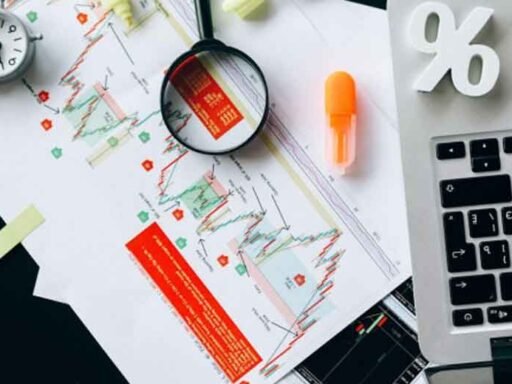
Traditional fashion forecasting relied on mood boards, travel, and cultural observation. While creativity still drives design, AI expands what inspiration looks like. By scanning massive datasets, from hashtags to retail purchases, AI reveals what people are actually wearing and searching for.
Designers can explore patterns in color popularity, fabric choices, and silhouettes. This real-world feedback turns inspiration into strategy. Instead of reacting to trends after they emerge, designers can create collections that align with what audiences already show interest in, bridging the gap between art and analytics.
Faster Trend Forecasting With Real-Time Insights
Speed matters in fashion. Predicting next season’s look months in advance is risky if preferences shift quickly. AI tools track trends in real time, giving designers instant insight into what’s gaining traction.
How it works:
- AI collects data from social media platforms and fashion e-commerce.
- Algorithms identify patterns in keywords, images, and engagement.
- Designers receive updates on trending colors, materials, and cuts.
This fast feedback loop allows creative teams to act immediately, designing pieces that resonate with customers before competitors catch on. AI turns forecasting into an ongoing conversation with the market.
Smarter Design Development
Creating a collection involves thousands of small decisions, from color palettes to trims. AI helps simplify that process by recommending combinations that work well together. An AI fashion design tool can even generate 3D garment previews, allowing teams to visualize changes instantly.
Designers gain flexibility without wasting fabric or time on physical samples. The system suggests shapes, materials, and proportions that fit specific audiences or seasons. This digital workflow blends creativity with efficiency, ensuring every design choice feels intentional and data-backed.
Personalization for Every Audience
AI tracks global trends while shaping designs that fit each market’s unique style. By analyzing local shopping habits and cultural preferences, it guides brands toward styles that resonate with different demographics.
Let’s say, AI can reveal that one region favors sustainable fabrics while another leans toward luxury textures. Designers can then adjust collections for each market. This precision creates stronger connections between brands and customers, making fashion feel more personal while staying true to a brand’s identity.
Reducing Waste and Overproduction
Predicting demand accurately also supports sustainability. Overproduction remains one of fashion’s biggest issues. With better data, AI helps brands produce what customers truly want, reducing leftover stock and waste.
AI systems forecast demand based on purchase history and online behavior. That insight guides production quantities and material use. Designers can focus on creating pieces with confidence that they’ll sell, supporting both profitability and environmental responsibility. Smart forecasting becomes part of a more mindful fashion industry.
AI has moved from being a trend to becoming an essential partner in design. From uncovering real-time insights to refining creative direction, it helps designers balance intuition with information. With AI fashion design software, brands create smarter, faster, and more sustainable collections. Designers stay inspired, customers stay engaged, and fashion evolves with purpose rather than prediction.