

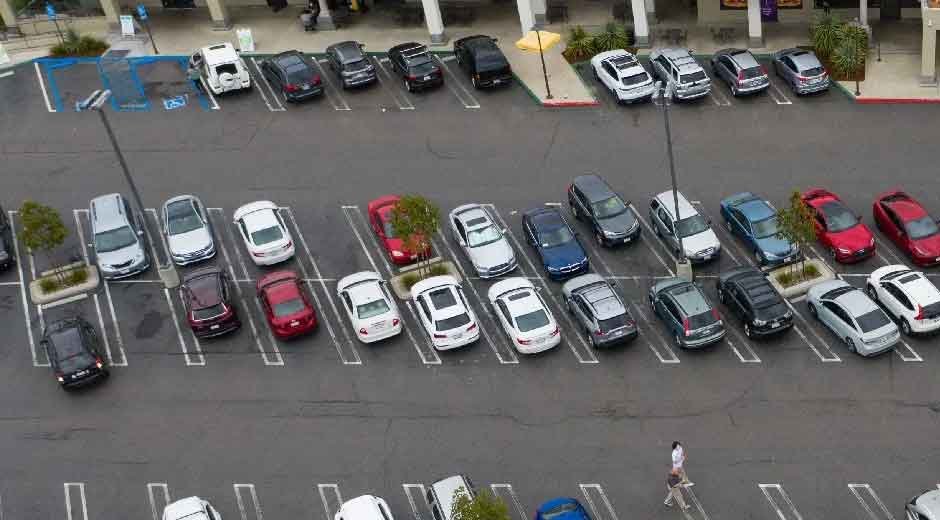
Parking in urban areas continues to evolve as cities expand and the use of vehicles increases. Some parking facilities have implemented new systems that help in monitoring, communicating, and organizing daily activities. These technologies support structured processes that avoid depending on manual steps. Here are a few trends in urban parking solutions:
License Plate Recognition
License plate recognition is a computer-based system that records plate numbers as vehicles pass through specific locations. It involves scanning images of license plates and converting them into readable information; this is then stored in a management platform. Parking facilities use these records for access logging, vehicle tracking, and documentation of movements. The system generates time-stamped records that indicate which vehicles pass through monitored areas.
Online Platforms
Management companies may use communication platforms in parking environments to streamline operations. Websites and mobile applications provide structured channels for updates; these systems help users manage their accounts. Users can also access parking information online and communicate with the operators without requiring in-person assistance.
Some online platforms send alerts and reminders when a user requires information regarding their parking activity. An application may provide options to review the session history, change account settings, or view stored activity records. This approach assists in standardizing communication and minimizing misunderstandings.
Remote management processes are also supported by online systems. Users can make selections, view changes, or complete transactions without visiting a payment machine or customer service desk. The systems differ across parking settings, yet some have a similar design that focuses on centralized communication and streamlined digital access.
Smart Surveillance Systems
A parking garage owner may use smart surveillance systems, including cameras and motion sensors. Placing cameras at doorways, exits, aisles, and walkways allows owners to monitor activity throughout the day and night. These systems should be configurable to store recordings and monitor motion. The staff can review the footage to observe events such as blocked lanes, stalled cars, or activity that requires follow-up. This helps staff understand conditions within the facility at any given time.
Digital Signage
Safety information, directional instructions, and updates on operations may be shown on digital signage. Screens should be displayed in visible areas, such as exits and entrances, so users are able to view messages that promote structured movement. Signage can show temporary restrictions or alerts about closed areas within the parking facility.
Updating content on the signs remotely allows operators to modify instructions as conditions change. This could entail updating which levels have limited access or informing drivers about maintenance work in specific zones. Because the updates are displayed immediately on the screens, the information remains up-to-date.
Digital signs help pedestrians and drivers navigate their routes safely; signage helps to highlight blind spots or indicate direct pathways to elevators. They can display notifications about the speed limit and routes that support smooth traffic flow. The facilities choose the message format and placement based on visibility needs, layout, and user movement patterns.
Space Optimization Techniques
Space optimization involves methods that help organize the layout of a garage. These approaches include modifying the parking space layout, lane widths, and parking angles to increase the number of usable spaces. Digital maps and sensors monitor areas that are used more frequently and those that remain empty. The data may be used to determine whether the layout should be altered.
Enhance Parking Facility Operations
Parking places can adopt new systems for monitoring, communication, and operational coordination. These tools make sure that things remain organized and aligned with current parking needs. Explore different modern parking garages to understand how updated systems help with the flow of vehicles and support daily operations.