
It’s no secret that conversation pit living rooms have made a confident return to modern interior design. Originally popularised in mid-century homes, these sunken seating areas are once again being embraced for their ability to create intimacy, encourage connection and make living spaces feel purposeful rather than passive. At the heart of a successful conversation pit is one key decision: choosing the right sofa configuration.
Unlike standard living rooms, a conversation pit demands seating that supports eye contact, comfort and flow from every angle. The wrong layout can feel cramped or awkward, while the right one transforms the space into a social hub that works beautifully for everyday living and entertaining alike. From modular sofas to curved designs and layered seating, here’s how to choose the best sofa configuration for a conversation pit living room.
Understanding the Purpose of a Conversation Pit
Before diving into sofa layouts, it’s important to understand what makes a conversation pit unique. Unlike a traditional lounge setup that often faces a television, a conversation pit is inward-facing by design. It encourages people to sit facing one another, naturally promoting conversation and relaxation.
This inward focus means that furniture selection and placement need to prioritise symmetry, balance and comfort from multiple viewpoints. Coffee tables, side tables and accessories also play a supporting role, which is why carefully chosen centrepieces such as designer coffee tables often become a defining element early in the design process.
Modular Sectional Sofas: The Most Versatile Option
One of the most popular choices for conversation pits is a modular sectional sofa. These flexible designs allow you to customise the shape and size of your seating to suit the exact dimensions of your sunken space.
Modular sofas work particularly well in square or rectangular pits, where they can be arranged in a U-shape or closed square – this creates a cocoon-like effect that feels inviting without being restrictive. Because each module can often be moved or reconfigured, modular seating is ideal for homeowners who entertain frequently or like to refresh their layout over time.
To avoid the space feeling too heavy, choose low-profile modules with slim arms or armless sections (this keeps sightlines open and maintains the relaxed, grounded feel that conversation pits are known for).
Wraparound Sofas for Seamless Flow
For a more tailored look, wraparound sofas are an excellent choice. Designed to follow the perimeter of the pit, these sofas provide continuous seating without visual breaks, creating a sense of unity within the space.
Wraparound configurations are particularly effective in larger conversation pits, where they can accommodate multiple people without the need for additional chairs. This layout works well in open-plan homes, as it clearly defines the conversation area while still allowing the rest of the room to breathe.
To prevent the seating from feeling too formal, soften the look with layered cushions, textured upholstery and varying seat depths. Incorporating a central table with rounded edges helps balance the linear nature of the sofa and improves circulation within the pit.
Curved Sofas for a Sculptural Statement
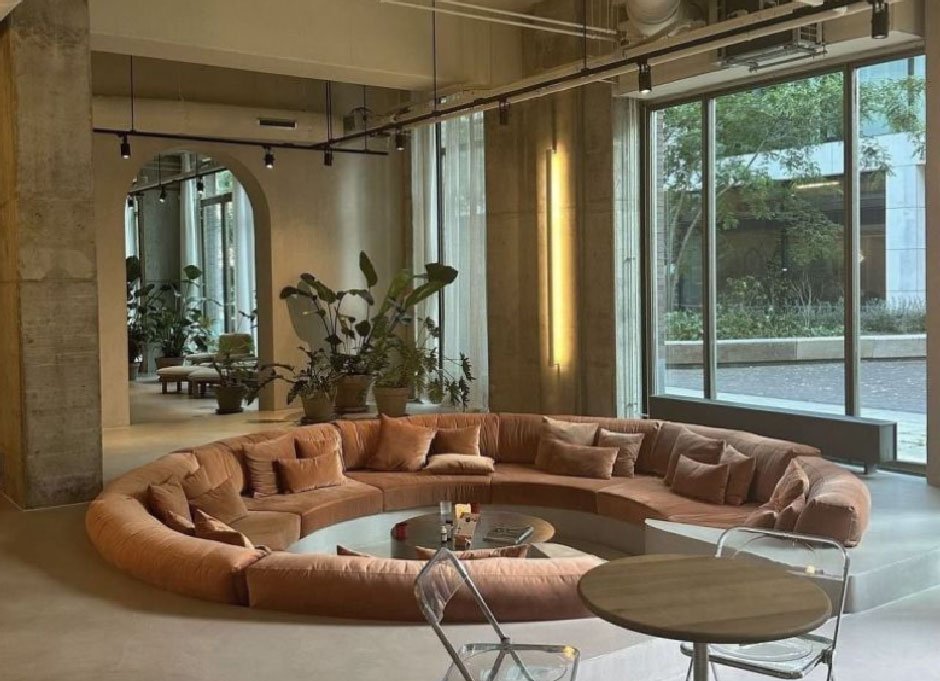
If your conversation pit is circular or organically shaped, curved sofas are a natural fit – these designs echo the shape of the pit itself, creating a harmonious and visually striking result.
Curved seating encourages conversation by gently angling everyone towards the centre, making interactions feel effortless and inclusive. This configuration also softens the overall aesthetic of the room, which is particularly effective in contemporary or minimalist interiors.
Because curved sofas often act as a statement piece, keep the rest of the furniture understated. A single round or oval coffee table works well here, providing functionality without competing for attention. Lighting should also follow the curve, with recessed or pendant fixtures reinforcing the shape of the pit.
Mixing Sofas and Loose Seating
Not every conversation pit needs to be filled wall-to-wall with sofas – in some designs, a combination of a main sofa and loose seating creates a more relaxed, layered look. For example, a long sofa along one side of the pit can be paired with accent chairs, ottomans or built-in bench seating on the other sides. This approach introduces variety in height and form, making the space feel more dynamic and less rigid.
Loose seating is also practical for smaller pits, where a full wraparound sofa might feel overwhelming. Ottomans can double as footrests or extra seating, while occasional chairs can be moved as needed for different social settings.
Symmetry and Balance are Key
No matter which sofa configuration you choose, balance is essential in a conversation pit – seating should feel evenly distributed, with no one position dominating the space. This sense of equality is what makes conversation pits so effective at bringing people together.
Symmetry doesn’t mean everything has to match perfectly, but there should be a visual rhythm to the layout. Matching seat heights, consistent cushion proportions and aligned armrests all contribute to a cohesive feel.
Central elements like rugs and coffee tables should be scaled appropriately, ensuring they anchor the seating without obstructing movement. In most cases, lower furniture works best, reinforcing the grounded nature of the pit.
Comfort Beyond the Sofa
While sofas are the foundation of a conversation pit, comfort goes beyond seating alone. Deep cushions, supportive backs and generous seat depths are essential, especially if the space will be used for long conversations or casual lounging.
Layering is also key – cushions, throws and textured fabrics add warmth and prevent the pit from feeling too architectural. Because conversation pits naturally draw people inward, acoustics matter as well. Upholstered seating, rugs and soft furnishings help absorb sound, making conversations easier and more intimate.
Lighting should be soft and layered, with a mix of ambient and task lighting. Avoid harsh overhead lights directly above the pit, and instead opt for wall lighting, floor lamps or concealed LEDs that enhance the mood.
Choosing the Right Configuration for Your Lifestyle
Ultimately, the best sofa configuration for a conversation pit living room is one that aligns with how you live. Families may prioritise durable fabrics and flexible modular designs, while entertainers might prefer wraparound or curved seating that maximises capacity.
Think about how the space will be used day-to-day, not just how it looks in photos. Is it a place for relaxed evening chats, weekend gatherings or quiet reading? The answers to these questions will guide decisions around seating depth, layout and materials.
When thoughtfully designed, a conversation pit becomes more than a design feature. It becomes the emotional centre of the home – a place where people naturally gather, linger and connect. With the right sofa configuration, it can offer comfort, style and functionality in equal measure, making it one of the most rewarding living room layouts you can create.