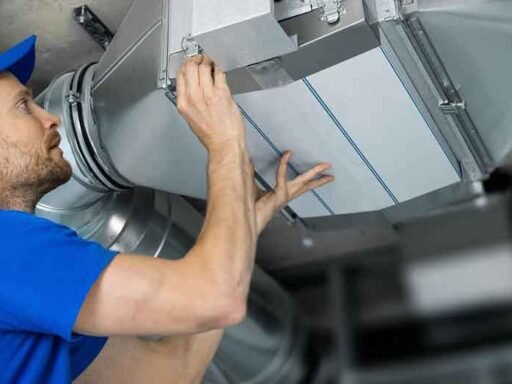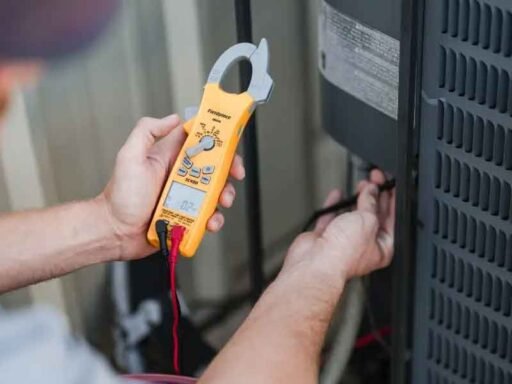


Knowing when to schedule furnace repair is key to maintaining both the safety and efficiency of your system. If you experience a noticeable decrease in your home’s comfort, it may be time for professional maintenance. The following are key signs that your furnace requires repair:
Odd Noises
If your furnace changes from its usual soft humming sound to unusual noises such as banging, clanging, rumbling, screeching, or clicking, you might need to call a technician. Noises indicate detached or loose parts or ignition difficulties.
Squealing or whistling noises could mean your system is experiencing airflow restrictions caused by clogged air filters or mechanical issues with the blower motor. Rattling or clicking sounds may point to loose parts such as ductwork, panels, or screws. They could also arise from debris in the furnace.
Air Quality
One of a furnace’s primary functions is to circulate clean air throughout your home. Any noticeable decline in air quality signals that your unit requires attention. An increase in dust or allergens indicates that the furnace may be spreading pollutants rather than filtering them. Occupants might experience allergy symptoms or irritated skin. Visible dust accumulation on surfaces is another warning sign of a malfunctioning system. These early indicators often mean that the filter needs replacing, or that your furnace requires cleaning or professional repair.
Unusual Odors
Dust buildup and electrical issues can cause your furnace to emit a burning smell. If dust is the source, the odor may fade once the dust burns off. A persistent burning smell often signals overheating components or electrical problems, which require immediate attention.
Moisture-related issues result in a moldy or musty odor coming from the furnace. This is often caused by clogged or inefficient drainage systems that allow moisture to accumulate, creating an environment for mold growth within the ductwork. A gas-like smell is particularly serious, as it may indicate a gas leak and requires urgent action to verify homeowner safety.
Pilot Light
A properly functioning furnace has a pilot light that burns bright blue. If the light turns yellow or orange or starts flickering, it’s a sign that professional repair is needed. Such changes in color can indicate incomplete combustion, blocked or dirty vent pipes, or even carbon monoxide leaks. Because carbon monoxide buildup poses a serious health risk, any indication of its presence requires immediate attention. Furnace repair technicians will evaluate the reason for the light change and offer a quick solution to prevent downtime.
Uneven Heating
Experiencing uneven heating in your home is a clear sign that your furnace may be operating inefficiently. You might notice cold spots in certain rooms, or observe that some areas of the house fail to warm as evenly as others. Such inconsistencies can result from air leaks or blockages within the ductwork, which prevent warm air from circulating properly. Failing blower components, restricted airflow, dirty filters, or a malfunctioning thermostat can all contribute to uneven heating and reduced comfort.
Frequent adjustments of the thermostat may also indicate underlying issues that require professional furnace repair. Problems such as blocked burners, a faulty heat exchanger, ignition failure, or a malfunctioning thermostat cause the furnace to blow cold air instead of providing consistent warmth. While inspecting these components, it is also key to confirm with your technician whether your furnace is appropriately sized for your home, as an undersized or oversized unit can further impact its effectiveness and energy efficiency.
Engage a Furnace Repair Professional
Recognizing when your furnace needs repair early enough helps you to avoid breakdowns in the future. Timely repairs extend the life of your furnace, providing you with a reliable system that maintains a comfortable environment year-round. Work with a professional HVAC company to schedule repairs for your furnace.