
Taking on a home upgrade is one of those decisions that feels thrilling and overwhelming at the same time. The moment you start picturing new floors or a brighter kitchen, a dozen other ideas rush in and compete for attention. Suddenly, you are thinking about paint colors, light fixtures, and whether the bathroom really needs to stay the way it is.
This is where most people lose their footing, because excitement without a plan usually leads to rushed choices and wasted money. The smartest thing you can do before touching anything is slow down and map out the journey. A thoughtful approach turns a stressful project into something that actually feels rewarding from start to finish.
Begin With an Honest Look at Your Home
Before you get carried away with inspirational photos, walk through your home and pay attention to what already bothers you. Notice the rooms that feel cramped, the corners that never get enough light, and the small annoyances you have trained yourself to ignore. Maybe a door sticks every time it rains, or a certain room always feels colder than the rest. These everyday frustrations are clues, and they matter more than any trend you might have seen online.
Strengthen the Parts That Shape Daily Comfort
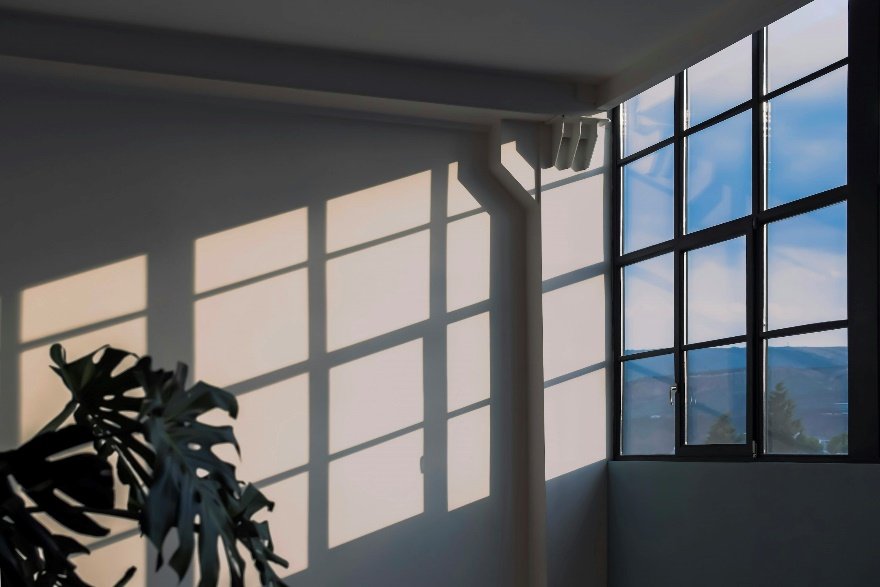
Some upgrades change how a room looks, while others change how a home actually feels to live in. For example, windows are one of the most overlooked features in a home, yet they influence natural light, indoor temperature, outside noise, and even how safe your home feels at night. If yours are drafty, cloudy between the panes, or stiff to open, replacing them should move near the top of your list.
This is also an area where professional window installation must be prioritized because proper sealing, accurate framing, and precise measurements decide whether your new windows last for decades or cause problems within a year. Done well, the right windows quietly lift the entire character of your home.
Build a Budget That Leaves Room to Breathe
Once you know what your home needs, the next step is figuring out what you can realistically spend. A good budget is not just a single number at the top of a page. It is a plan that assigns money thoughtfully across different parts of the project and still leaves something in reserve.
Almost every upgrade uncovers surprises once the work begins, whether it is old wiring, hidden moisture, or uneven surfaces under the flooring. If you plan for those possibilities from the start, you avoid the panic that comes with unexpected costs. It also helps to rank your upgrades in order of importance so you know exactly where to ease off if you ever need to adjust your spending.
Let Your Daily Life Guide Your Choices
A home should support the way you actually live, not the way a magazine suggests you should live. Think about how you move through your space on a normal day, which rooms you spend the most time in, and which ones often feel like they are working against you. If your kitchen is where everyone naturally gathers, that space deserves more attention than a formal room you barely step into.
If you work from home, a quiet and comfortable corner might matter more than a dramatic entryway. When your upgrades reflect your habits, the results feel personal and lasting instead of staged. This is the difference between a home that looks good and one that genuinely feels good to be in. The more closely your choices match your routine, the less you will find yourself wishing you had done something differently later. Small details that quietly fit your lifestyle often bring more satisfaction than the grand features people expect to impress them.
Move Through the Work in Clear Stages
Trying to upgrade everything at once almost always backfires. Even with the budget and energy to do it all, breaking the work into phases gives you better results and a calmer experience along the way. Each stage lets you see how the previous changes settled in, adjust anything that did not go as planned, and catch small issues before they grow into expensive ones. It also means you are not living inside a full-scale construction zone for months on end.
A steady rhythm may feel slower than you would like, but it protects both your home and your peace of mind. Good upgrades are rarely rushed, and the ones that last tend to come from patient decisions rather than hurried ones. Working in stages also gives you room to learn what you actually enjoy about the process and what you would rather hand off to someone else. By the time you reach the later phases, your decisions feel sharper because you have already seen how the earlier ones played out in real life.
Think Beyond the Current Moment
Trends are tempting because they feel fresh and exciting, but most of them fade much faster than expected. Bold finishes and dramatic choices that seem perfect today can look tired within a few years. That does not mean your home should be plain or predictable. It simply means you should separate the things you can easily change later from the ones that are difficult and expensive to redo.
Paint, hardware, and smaller decor pieces are easy to swap out when your taste evolves. Flooring, cabinetry, and structural features are not. Making careful choices in the areas that are hardest to change gives your home a timeless quality that keeps feeling right long after the initial excitement wears off.
A home upgrade is really a series of thoughtful decisions stacked one on top of the other. When you start with honesty, plan your budget with room to breathe, and let your daily life guide your choices, the whole process becomes far less stressful and much more satisfying. Your home is meant to support you in ways both big and small, and that support begins the moment you decide to plan with real intention rather than impulse.