
The instinct to handle home repairs yourself is understandable. It saves money, it’s satisfying, and for a lot of jobs around the house, it works perfectly well. Basement waterproofing sits in a more complicated category — some parts of it are genuinely manageable for a motivated homeowner, and some of it absolutely requires professional expertise. Knowing which is which protects both your wallet and your foundation.
Effective water management extends beyond the interior of the basement and involves evaluating the entire exterior drainage system of the home. When rainwater is allowed to pool near the foundation, it significantly increases the hydrostatic pressure that causes seepage through porous concrete walls. Addressing these issues might involve simple tasks like cleaning out debris from downspouts or more complex projects such as a professional gutter install roanoke to ensure that high volumes of runoff are diverted safely away from the structure. By maintaining a functional perimeter drainage plan, homeowners can reduce the frequency of interior dampness and better protect their living spaces from long-term moisture-related structural issues.
What You Can Reasonably Do Yourself
Improving drainage around your home. One of the most effective things you can do to reduce basement moisture requires no special skills at all. Check that the ground around your foundation slopes away from the house — ideally dropping at least six inches over the first ten feet. Add soil or regrade low spots where water pools near the foundation. Extend downspouts so they discharge at least six feet away from the house rather than dumping directly against the foundation wall. These changes cost very little and make a genuine difference.
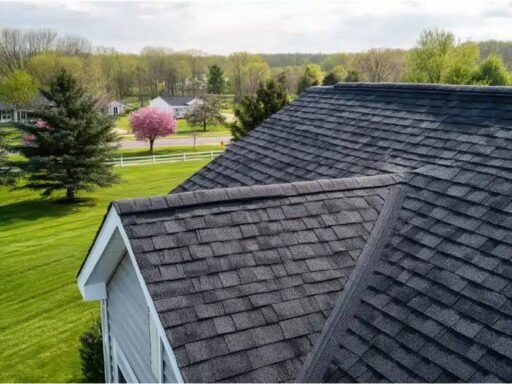
Cleaning and maintaining gutters. Clogged gutters overflow and send roof water cascading down the exterior wall and into the soil right beside your foundation. Keeping gutters clear and functioning properly is a simple maintenance task that reduces the volume of water your foundation has to deal with every time it rains.
Applying waterproof paint or sealant to interior walls. For minor surface dampness — condensation, light moisture — a waterproof masonry paint or penetrating sealant applied to interior concrete walls can reduce the amount of moisture that passes through the surface. This is a limited solution that works only on minor issues and does nothing against hydrostatic pressure or active seepage, but for a basement that’s slightly damp rather than actively leaking, it can help.
Testing and maintaining your sump pump. Pour water into the sump pit, confirm the float switch activates, and watch the water discharge properly. Do this two to three times a year. Clear the intake screen of debris. Check that the discharge line is unobstructed. This takes ten minutes and ensures your most important water removal tool is working when you actually need it.
Where DIY Stops Working
Direct Waterproofing in Mississauga sees the same pattern repeatedly: a homeowner applies a waterproof coating, the problem comes back. They seal a crack with hydraulic cement, water finds another path. They run a dehumidifier constantly, the humidity keeps returning. Each of these is a surface-level response to a problem that lives below the surface.
Here’s where professional work is the only answer that actually holds.
Active foundation cracks. A crack that is seeping, growing, or wet requires professional crack injection — polyurethane foam for active leaks, epoxy for structural bonding. Hardware store crack fillers are not engineered for hydrostatic pressure and won’t maintain a seal when the foundation moves with seasonal temperature changes. A patch that fails isn’t just a wasted repair — it’s a false sense of security that delays the real fix.
Interior drainage systems. Installing a perimeter drainage channel along the inside base of your basement walls requires cutting concrete, excavating a trench along the footing, laying drainage tile correctly graded toward a sump pit, and restoring the concrete properly. Done incorrectly, water doesn’t flow where it’s supposed to, and the system is worse than useless. This is skilled trade work that requires the right tools, materials, and experience.
Exterior waterproofing. Excavating to the footing, applying membrane systems, installing drainage board and weeping tile — this is large-scale work involving equipment, materials handling, and an understanding of foundation systems that goes well beyond DIY territory. The consequences of errors in exterior waterproofing aren’t visible immediately, which makes them more dangerous, not less.
Structural issues. Bowing walls, horizontal cracks, significant settlement — any of these require professional structural assessment before any waterproofing work begins. Waterproofing a structurally compromised wall without addressing the structural problem first is not a solution. It’s a temporary cosmetic fix over a growing problem.
The Honest Test
Ask yourself one question before deciding to DIY any basement moisture issue: if this doesn’t work, what does the failure look like?
For grading and gutter maintenance, failure means you try something else — no harm done. For crack repairs and drainage systems, failure means water is still getting in, potentially into a space you’ve since finished or insulated, causing damage that’s harder and more expensive to find and fix than the original problem.
The jobs where failure is low-cost and reversible are the ones to tackle yourself. The ones where failure compounds the original problem are the ones to hand to a professional from the start.