
As winter transitions into spring across Ontario, the seasonal thaw introduces one of the most critical periods for roofing systems. While melting snow may seem like a welcome sign of warmer weather, it also creates conditions that can lead to significant water damage if not properly managed. During this time, roofing systems are exposed to increased moisture, fluctuating temperatures, and rapid water movement—all of which can reveal vulnerabilities that developed during the winter months.
Preventing water damage during seasonal thawing requires more than surface-level attention. It involves a comprehensive understanding of roofing systems, drainage dynamics, and how winter conditions impact structural components. Roofing experts play a crucial role in identifying risks, implementing preventative measures, and ensuring that homes remain protected as the thaw progresses. We spoke with Rodney Eldik, the General Manager overseeing the Armour Shield Roofing roofing services in Etobicoke Toronto.
The Challenges of Seasonal Thawing
Seasonal thawing is characterized by repeated cycles of melting and refreezing. During the day, rising temperatures cause snow and ice to melt, allowing water to flow across the roof. At night, temperatures often drop again, causing this water to refreeze. These freeze-thaw cycles can create significant stress on roofing materials.
As water moves across the roof, it seeks the path of least resistance. If there are any weaknesses—such as cracked shingles, deteriorated flashing, or compromised seals—water can infiltrate the roofing system. Over time, even small amounts of water intrusion can lead to mold growth, insulation damage, and structural deterioration.
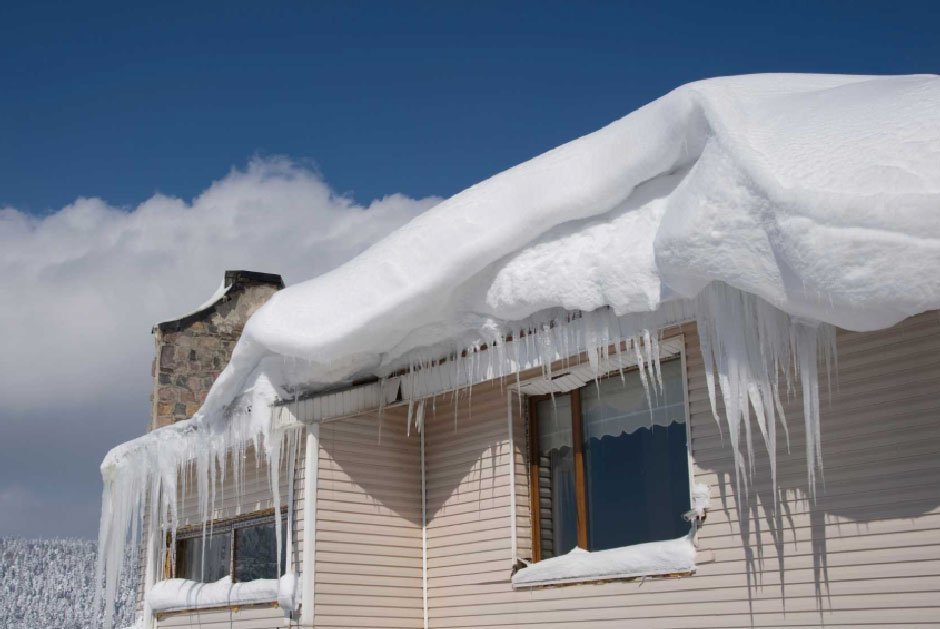
Additionally, the presence of ice dams can prevent proper drainage, causing water to back up beneath roofing materials. This makes the seasonal thaw one of the most high-risk periods for potential water damage.
Comprehensive Roof Inspections
One of the primary ways roofing experts prevent water damage is through thorough post-winter inspections. These inspections are designed to identify any damage that may have occurred during the colder months and to assess the overall condition of the roofing system.
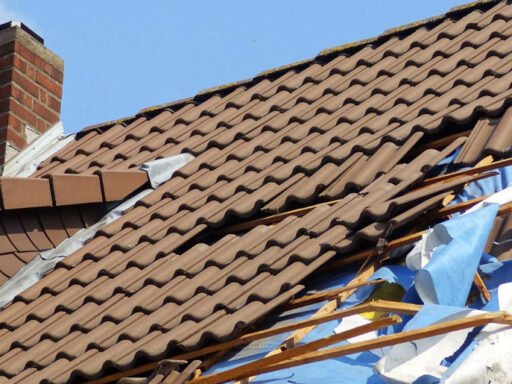
Professionals examine key areas such as shingles, flashing, roof valleys, and penetrations around vents and chimneys. They look for signs of wear, lifting, or separation that could allow water to enter. Even minor issues are carefully evaluated, as they can quickly escalate during the thaw.
By identifying vulnerabilities early, roofing experts can implement targeted repairs that prevent water from penetrating the structure.
Ensuring Effective Drainage Systems
Proper drainage is essential during seasonal thawing. Gutters and downspouts must be clear and functioning correctly to direct water away from the roof and foundation. Any blockage, misalignment, or damage can result in water pooling or overflowing, increasing the risk of leaks.
Roofing professionals inspect and clean drainage systems as part of their preventative approach. They remove debris, check for proper slope, and ensure that downspouts are directing water safely away from the home.
In some cases, adjustments may be made to improve water flow and prevent future issues. This proactive maintenance plays a critical role in protecting the roof during periods of increased moisture.
Addressing Ice Dam Formation
Ice dams are one of the most common causes of water damage during the seasonal thaw. These formations occur when melting snow refreezes at the edges of the roof, creating a barrier that prevents water from draining properly.
Roofing experts take a strategic approach to managing ice dams. Rather than simply removing the visible ice, they focus on addressing the underlying causes. This may include improving attic insulation and ventilation to reduce heat loss, which is a key factor in ice dam formation.
By targeting the root of the problem, professionals can prevent ice dams from recurring and reduce the risk of water intrusion.
Repairing and Reinforcing Vulnerable Areas
During the thaw, certain areas of the roof are more susceptible to water infiltration. These include roof valleys, edges, and areas around penetrations such as vents and chimneys. Roofing experts prioritize these locations when performing repairs and reinforcements.
Damaged or missing shingles are replaced, flashing is secured or updated, and seals are reinforced to ensure that water cannot penetrate the system. These targeted repairs help create a continuous barrier against moisture.
In addition to addressing existing damage, professionals may recommend preventative upgrades that enhance the roof’s resistance to water intrusion.
Managing Moisture and Ventilation
Proper ventilation plays a key role in preventing water damage during seasonal thawing. Inadequate ventilation can lead to uneven temperatures within the attic, contributing to ice dam formation and moisture buildup.
Roofing experts assess ventilation systems to ensure that air is circulating effectively. This helps maintain consistent roof temperatures and reduces the likelihood of condensation forming within the structure.
Managing moisture at both the exterior and interior levels is essential for maintaining the integrity of the roofing system.
Using Materials and Techniques Designed for Seasonal Conditions
Professional roofing contractors use materials and installation techniques that are suited to the challenges of seasonal thawing. This includes selecting products that can withstand temperature fluctuations and applying methods that ensure proper sealing and adhesion.
When repairs are necessary, experts take care to ensure that materials are installed under appropriate conditions to maximize their effectiveness. This attention to detail helps prevent future issues and ensures long-term performance.
Attempting similar repairs without the necessary knowledge or equipment can result in incomplete or ineffective solutions.
Professional Insight on Preventing Water Damage
The importance of proactive measures during seasonal thawing is emphasized by experienced roofing professionals. As noted by Armour Shield Roofing, “As snow and ice begin to melt, proper drainage becomes critical. Roofing professionals assess vulnerable areas to ensure water is directed away from the structure, preventing leaks and interior damage.”
This insight highlights the comprehensive approach required to manage the risks associated with the spring thaw and reinforces the value of professional expertise.
Preventing Long-Term Damage and Costly Repairs
Water damage is not always immediately visible, but its effects can be long-lasting and costly. Moisture that enters the roofing system can compromise insulation, weaken structural components, and create conditions for mold growth.
By taking preventative action during the seasonal thaw, roofing experts help homeowners avoid these issues. Early intervention reduces the likelihood of extensive repairs and preserves the overall condition of the roof.
This proactive approach is essential for maintaining both the functionality and value of the property.
Supporting Year-Round Roof Performance
Preventing water damage during the seasonal thaw is not just about addressing immediate concerns—it is about ensuring that the roof continues to perform effectively throughout the year. A well-maintained roofing system is better equipped to handle future weather conditions and seasonal changes.
Professional inspections and maintenance provide a clear understanding of the roof’s condition, allowing homeowners to plan for necessary repairs and upgrades. This long-term perspective contributes to greater reliability and peace of mind.
By investing in professional roofing services, homeowners can protect their property and ensure that their roof remains a strong and dependable barrier against the elements.
What This Means for Homeowners
Seasonal thawing presents a unique set of challenges that can lead to significant water damage if not properly managed. From ice dams and drainage issues to hidden structural vulnerabilities, the risks associated with this period require a proactive and informed approach.
Roofing experts play a vital role in preventing water damage by conducting thorough inspections, addressing vulnerabilities, and implementing effective drainage and ventilation solutions. Their expertise ensures that roofing systems remain secure, efficient, and capable of withstanding the demands of seasonal change.
For homeowners, taking action during the spring thaw is an essential step in protecting their investment and avoiding costly repairs. With the support of experienced professionals, it is possible to navigate this critical period with confidence and ensure long-term roof performance.