

Running out of space at home does not happen overnight. One year, the layout works fine, and the next year, you are stepping over toys, sharing closets, or turning the dining table into a desk. Many families face this problem but hesitate to move because of high home prices, rising interest rates, and the stress of leaving a familiar neighborhood. Adding a second story offers a different solution. Instead of packing up and starting over, you expand the home you already own. This option gives you more bedrooms, another bathroom, or even a private office without giving up your location. Before you commit, though, you need to understand what the project really involves.
Why More Homeowners Are Choosing to Build Up
Many homeowners reach a point where their current layout no longer supports daily life. A growing family, remote work, or long-term guests can make a single-story home feel crowded. Moving may seem like the simple answer, but buying a larger home often costs more than expected once you include closing costs, higher taxes, and the time it takes to prepare your current house for sale. Building up allows you to stay in a neighborhood you already enjoy while creating space that fits your needs. You gain control over the layout instead of settling for compromises. When preparing your home for construction, it also helps to clear out rooms and move belongings into storage with help from a local moving company. Taking these steps early can make the entire renovation process more organized and less stressful.
Understanding Local Rules Before You Design
Every city sets rules that affect how high and wide you can build. Before you move forward, contact your local building department and ask about height limits, setback rules, and permit requirements. Some neighborhoods restrict how tall a home can be, especially in areas with uniform rooflines. If you live in a community with a Homeowners’ Association, review its guidelines as well. Ignoring these rules can delay your project or force costly changes later. Permit approval also takes time, so plan for that in your schedule. Clear communication with your local officials keeps the process smoother. When you understand the rules early, you avoid surprises that could stall construction.
Breaking Down the True Cost of Building Up
Adding a second story involves more than framing new walls. You must budget for structural reinforcement, new stairs, plumbing extensions, electrical work, insulation, drywall, and a new roof. Heating and cooling systems may also need upgrades to handle the added space. Labor costs depend on your location and the complexity of the design. If you need to move out during construction, you should include temporary housing expenses in your plan. It helps to set aside extra funds for unexpected repairs once walls open up. A detailed estimate from an experienced contractor gives you a clearer picture. Knowing where your money goes helps you make smarter decisions.
Designing a Layout That Solves Real Problems
Extra square footage alone will not fix your space issues. You need a layout that improves how your home functions every day. Start by identifying what feels cramped right now. Do you need more bedrooms, a quiet office, or a larger primary suite? Think about storage as you design, since clutter often causes frustration. Plan stair placement carefully so it does not disrupt the main floor. Consider adding a bathroom if mornings feel rushed. Also think about resale value, even if you plan to stay long term. A practical layout should serve your current needs while appealing to future buyers. Smart design choices prevent regret later.
What Construction Really Means for Your Main Floor
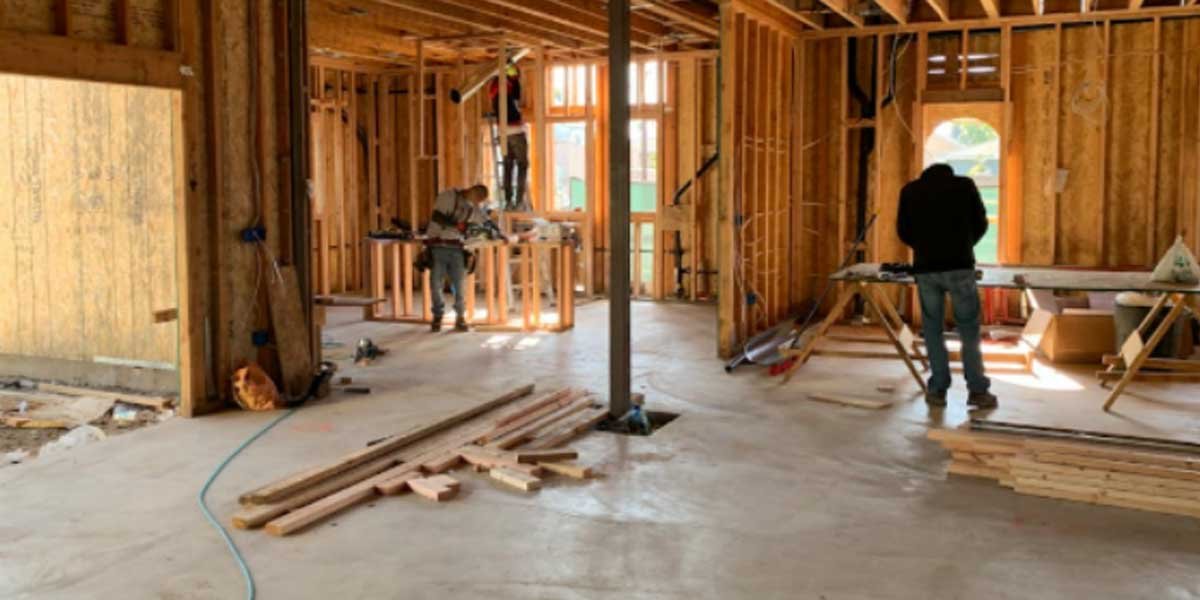
When you add a second story, crews must remove the existing roof before they build upward. That process exposes the main floor to noise, dust, and weather for a short period. Contractors usually cover the structure with temporary protection, but daily life will still feel disrupted. Workers may need access to ceilings, walls, and support beams downstairs to strengthen the frame. You might lose use of certain rooms while they complete structural work. Flooring and furniture require protection from debris. Expect steady foot traffic from the crew and limited privacy during work hours. Understanding this impact ahead of time helps you prepare your schedule and set realistic expectations for the months ahead.
How Long the Process Actually Takes
A second story addition does not move quickly. First, you spend time in the design phase working with an architect or designer to create plans that meet code requirements. After that, engineers review structural details, and you submit drawings for permits. Approval timelines vary by city, and inspections happen at several stages during construction. Once building starts, crews handle demolition, framing, roofing, electrical, plumbing, insulation, and interior finishes in a clear sequence. Weather can slow exterior work, especially roofing. Delays also occur if materials arrive late or inspection corrections are needed. Building up requires patience. A realistic timeline helps you avoid frustration and plan your living arrangements properly.
How a Second Story Can Affect Resale Value
Adding square footage often increases a home’s market appeal, especially if the addition includes bedrooms and bathrooms. Buyers typically look for functional layouts, not just extra space. A well-planned second story that blends with the original design can make the home feel complete rather than altered. However, the return depends on neighborhood standards. If most nearby homes are smaller, overbuilding may limit buyer interest. Quality also matters. Poor workmanship or awkward stair placement can hurt value instead of helping it. Before you start, review recent home sales in your area and speak with a local real estate professional. Careful planning protects both comfort and future resale potential.
Adding a second story offers a practical way to gain space without leaving your home behind. It requires structural checks, permit approvals, careful budgeting, and honest conversations about disruption. You must plan for noise, dust, inspections, and possible delays. When designed well, the new level can improve daily living and increase overall functionality. At the same time, it demands time, money, and patience. Before moving forward, consult experienced professionals and review your local building rules. Compare renovation costs with the option of relocating so you make a balanced decision. Building up can solve space problems, but success depends on preparation, realistic expectations, and thoughtful design.