
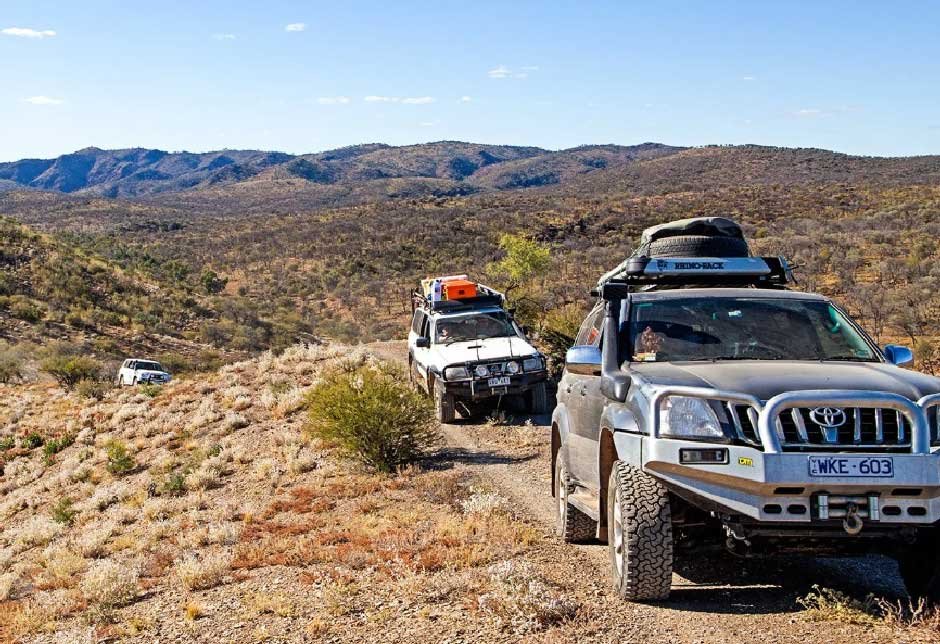
Embarking on the ultimate Australian road trip, affectionately known as ‘The Big Lap’, is an iconic dream for many. The sheer scale, vibrant red dirt, and rugged beauty of the outback make it a bucket-list destination unlike anywhere else on earth. The enthusiasm for this kind of travel is massive, with the majority of explorers intending to take their own 4WD or caravan to fully experience the open road. However, tackling the harsh and unforgiving conditions of remote Australia requires far more than just a sense of adventure and a packed sky. It demands a vehicle that is fully prepared to handle heavy loads, extreme daytime temperatures, and challenging terrain over thousands of remote kilometres. If you are hauling a heavy rig, understanding exactly how to tow a caravan is a vital skill that ensures you keep your payload balanced and your vehicle safely under control.
Start with the Basics: Preventative Maintenance
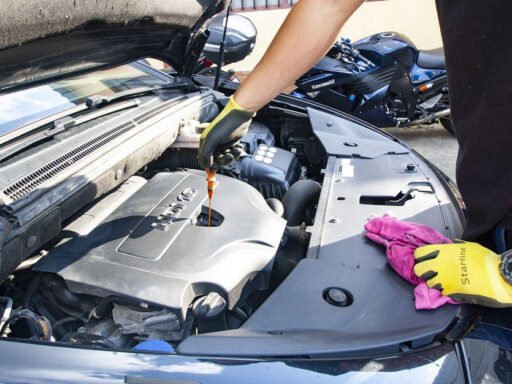
Before you even consider bolting on expensive aftermarket accessories, it is absolutely crucial to ensure your base vehicle is in peak mechanical condition. Outback touring puts immense, prolonged strain on every single component of your four-wheel drive. A minor rattling sound or a slight fluid leak that might go unnoticed in standard city driving can quickly turn into a major, trip-ending catastrophe when you are hundreds of kilometres from the nearest mechanic. Taking the time to comprehensively check your mechanicals and outfit your rig with durable aftermarket water storage many tourers opt for poly or stainless tanks after learning why acrylic tank manufacturing is closed is your best defence against unexpected wear and tear. This vital preparation includes checking cooling fluids, inspecting drive belts for wear, and ensuring your braking systems are flawless before adding extra weight to the chassis. Checking tyre pressures, wheel alignments, and transmission fluids should also be at the top of your to-do list.
Managing Heat and Power Under Heavy Loads
Once your vehicle is mechanically sound and fully serviced, the next logical step is addressing performance and heat management. Touring the outback usually means your vehicle will be heavily loaded with camping gear, bulk supplies, and potentially a caravan or heavy camper trailer in tow. This extra weight forces your engine to work significantly harder, which inevitably causes exhaust gas temperatures to skyrocket. Consistently high exhaust gas temperatures can severely impact diesel engine longevity, increasing the risk of overheating on steep ascents or soft sand. Upgrading to high-quality 4×4 exhaust systems is a highly effective, practical way to mitigate this specific issue. A premium stainless steel exhaust improves airflow, allowing the engine to breathe easier and expel hot gases much more efficiently. This not only safely lowers engine temperatures but also unlocks extra low-end pulling power and improves fuel economy. This creates a major benefit during long, isolated highway stints between remote roadhouses.
Upgrading Suspension and Managing Payload
Factory suspension setups are generally designed by manufacturers for comfortable city driving and light off-roading with a relatively empty vehicle. When you add heavy accessories like a steel bullbar, a dual battery system, a fridge, filled water tanks, and a loaded roof rack, you will quickly approach or even exceed your vehicle’s maximum payload capacity. Upgrading your suspension is therefore non-negotiable for safe and comfortable outback travel.
Consider these key factors when planning your suspension upgrade:
- Gross Vehicle Mass Upgrades: If you are heavily accessorising or towing, you may need a certified upgrade to legally and safely carry the extra weight on public roads.
- Heavy-Duty Springs: Upgraded springs prevent your vehicle from sagging under a constant heavy load, maintaining critical ground clearance over rocky tracks.
- Upgraded Shock Absorbers: Quality aftermarket shocks with larger bore sizes are designed to handle the relentless punishment of endless dirt corrugations without overheating and fading.
- Airbags for Towing: If you are hitching up a heavy caravan, adding airbags to the rear suspension can help level the vehicle and maintain correct steering geometry.
Essential Protective and Recovery Equipment
The outback is notorious for unexpected wildlife encounters and unpredictable terrain. Fitting a steel or high-quality alloy bullbar is vital for frontal protection, guarding crucial components like your vehicle’s radiator and steering linkages from sudden impacts. Similarly, adding underbody bash plates will guard your engine sump and transmission casing from stray rocks and deep, hidden ruts.
Equally important is carrying a comprehensive set of recovery gear. No matter how capable your vehicle is, getting bogged in soft sand or deep mud is simply a rite of passage for off-road tourers. Make sure you carry rated recovery tracks, a long-handled shovel, a kinetic snatch strap, and ideally a heavy-duty electric winch. A vehicle-mounted air compressor and a UHF radio are also indispensable tools, allowing you to safely drop your tyre pressures for softer tracks and communicate with oncoming road trains.
Preparing for an Australian touring adventure is a significant undertaking, but investing in the right modifications pays massive dividends. By starting with thorough preventative maintenance and systematically upgrading your exhaust, suspension, and protection equipment, you can explore the outback with total peace of mind. A thoughtfully prepared vehicle ensures you spend far less time worrying about mechanical failures and much more time enjoying the spectacular, rugged landscapes that make Australia so wonderfully unique.