
Medical professionals use modern technology to address varicose veins. Patients may experience discomfort from varicose veins, but some patients choose to resolve their varicose veins for aesthetic reasons. While there are various types of procedures to treat varicose veins, each procedure results in a permanently closed or removed vein. Here is more information about three different modes of vein treatment:
Understanding Varicose Veins
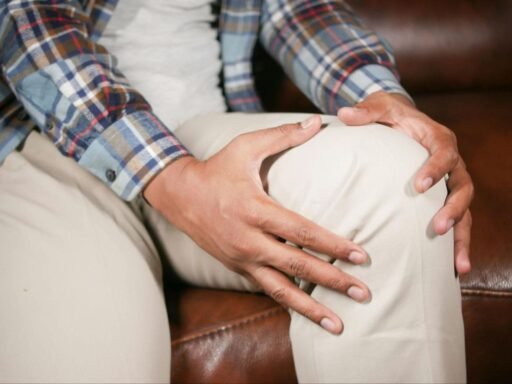
Damaged blood vessels cause noticeable changes on the skin surface. When they seek vein treatment, patients discuss these abnormal veins with their doctors. Faulty valves allow blood to pool, and the veins become enlarged and twisted. Symptoms range from mild aesthetic concerns to significant physical discomfort.
Patients may experience the following symptoms:
- Aching or heavy feelings in the legs.
- Burning, throbbing, or muscle cramping.
- Swelling in the lower legs.
Medical providers evaluate these symptoms to determine the appropriate care plan.
Reviewing Sclerotherapy Procedures
Sclerotherapy involves the injection of a solution directly into the affected vein. The solution irritates the lining of the blood vessel, and this causes the vein to collapse. When the vein is no longer functional, blood routes through healthier vessels nearby.
The treatment takes place in a typical medical office setting. The doctor cleans the area, and they use a fine needle to administer the solution. After the injection, the treated vein fades over a few weeks. Patients return to their normal activities quickly while avoiding strenuous exercise for a short period.
Analyzing Laser Ablation
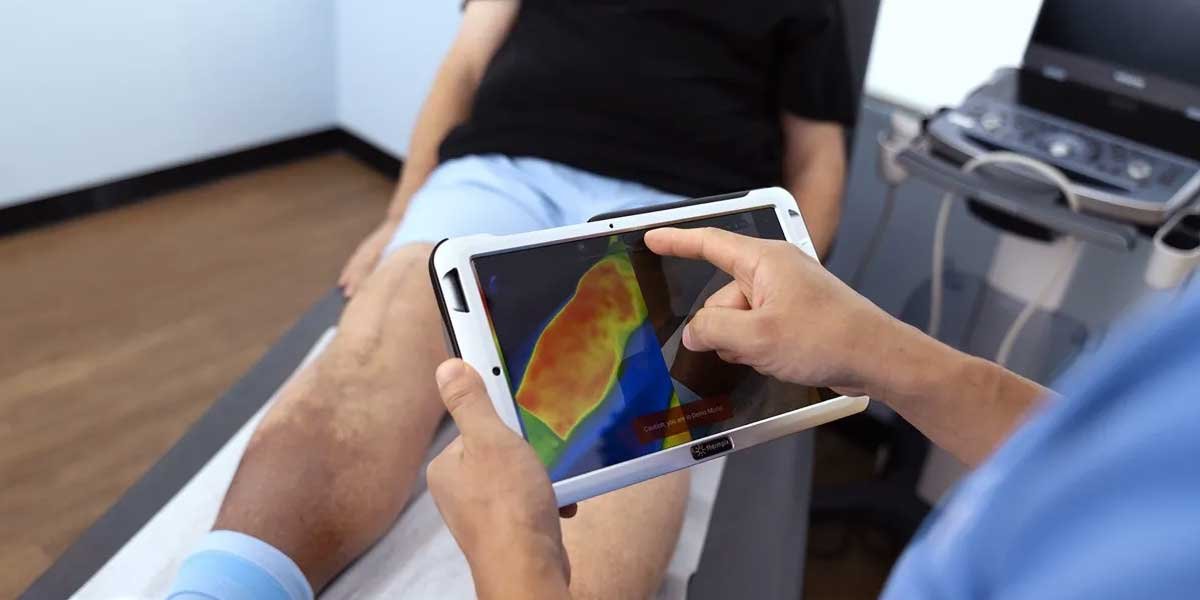
Endovenous laser ablation relies on thermal energy to close problematic veins. A specialist inserts a thin laser fiber into the targeted blood vessel. The laser heats the vein wall, and the vessel ultimately shrinks and seals shut. Since the body redirects blood flow, the closed vein eventually disappears.
Here are the steps to receiving this procedure:
- The physician applies a local anesthetic to minimize discomfort.
- Using ultrasound guidance, they accurately position the laser fiber.
- The device emits precise bursts of energy to heat the vein.
- Patients can walk immediately after the procedure, and recovery time is typically minimal.
Exploring Ambulatory Microphlebectomy
Ambulatory microphlebectomy physically removes superficial veins through tiny incisions. This technique targets veins near the surface of the skin. The doctor marks the affected areas, and they apply local anesthesia to numb the leg. Because the incisions are microscopic, patients do not need stitches.
The physician uses a special hook to extract the damaged vein segments. They remove the vessel carefully, and this resolves the varicose vein in that area. The blood is rerouted to healthier nearby veins.
Recovery requires wearing compression garments for a brief timeframe. The garments support the leg, and they promote healthy blood circulation. After the procedure is complete, most individuals resume their daily routines within a day.
Learn More About Vein Treatment
Modern medicine provides multiple effective solutions for vascular issues. Sclerotherapy, laser ablation, and microphlebectomy offer distinct approaches to address damaged blood vessels. Doctors evaluate each unique situation, and they recommend the most appropriate option based on the symptoms. If you want to learn more about treatments for varicose veins, consult a vascular specialist near you.