

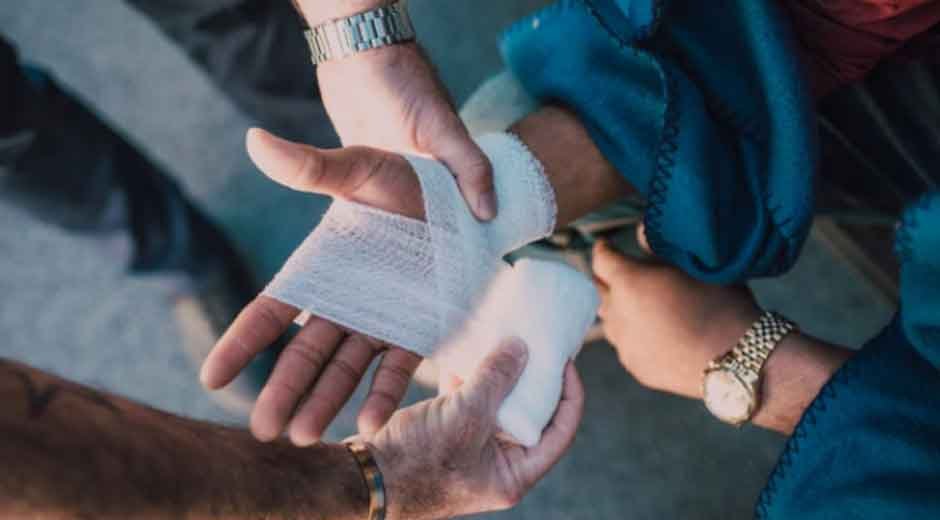
Accidents can happen in a split second, and they often leave people unsure of what to do next. Maybe you slipped in a grocery store, were rear-ended at a stoplight, or got hurt at work. Once the pain sets in, the question that follows is simple but stressful — Do I actually have a personal injury case?
It’s not always easy to tell. Many people in Denver assume that being hurt automatically means they can file a claim, but that’s not always true. In some situations, there’s no one legally responsible for the injury. In others, the harm isn’t serious enough to justify a case. Understanding the difference can save you time, stress, and disappointment.
This article breaks down the main factors that help determine if you have a valid personal injury claim in Colorado.
1. Knowing What Actually Qualifies as a Personal Injury Case
A personal injury case happens when someone’s carelessness causes harm to another person. It’s not just about being hurt — it’s about proving that another party’s actions or lack of action led to the injury.
If a driver runs a red light and causes a crash, that’s negligence. If a store fails to clean up a spill that causes a fall, that’s also negligence. The injury must be linked directly to that act of carelessness.
It’s also important to understand that emotional or mental suffering can count, too, as long as it results from a physical injury or a clearly harmful incident. What matters most is whether the situation meets the legal standard for negligence and results in measurable harm, such as medical bills or lost income. When you speak with Denver’s best personal injury lawyers, they can help you understand whether your situation meets these criteria and what evidence might strengthen your case.
2. Understanding How Negligence Shapes Your Case
Negligence is the foundation of every personal injury claim. In simple terms, it means someone failed to act in a reasonable way and caused harm as a result.
For example, drivers have a duty to pay attention to the road. Property owners must keep their spaces safe. Doctors must provide proper care. When they don’t meet those responsibilities, and someone gets hurt, they can be held liable.
To prove negligence, there must be four things: duty, breach, causation, and damages. That means showing the person had a responsibility, failed to meet it, caused the injury, and created a loss. Each step matters. If even one part is missing, the case may not hold up in court.
3. Why Evidence Matters More Than Assumptions
Strong evidence makes or breaks a personal injury claim. No matter how obvious the situation seems, you still need proof to back it up.
Evidence can include photos, videos, police reports, and medical records. Witness statements and timelines also help. The more organized and detailed your documentation, the easier it is to show what really happened.
You shouldn’t rely on memory alone. After an accident, gather details as soon as you can — even small facts may become important later. Without solid proof, it becomes your word against someone else’s, which weakens your case.
4. How the Severity of Your Injuries Impacts Your Claim
Not every injury leads to a claim that’s worth pursuing. A bruise that heals in a few days probably won’t qualify. But if your injuries affect your ability to work, move, or live normally, you may have a strong case.
Courts and insurance companies look at the seriousness of your injuries to decide how much compensation you might receive. Ongoing pain, surgery, or permanent limitations carry more weight than short-term discomfort.
Always see a doctor after an accident, even if you think you’re fine. Some injuries appear days later. Medical records will also serve as critical proof that your injuries were caused by the incident, not by something else.
5. When Property Damage Strengthens Your Claim
Property damage is often linked to personal injury cases, especially after car accidents. It can help show how serious the impact was and support your version of events. For example, if your car was heavily damaged in a collision, it supports the claim that the crash was severe enough to cause injuries.
Repair bills, vehicle inspection reports, and photos can all be used to confirm what happened. Even non-vehicle cases, like damaged personal items during a fall or workplace accident, can help prove the extent of harm. Including these details gives a fuller picture of the loss you experienced, both physically and financially.
While property damage alone doesn’t prove a personal injury claim, it often helps demonstrate the force and consequences of the event. The more clearly you can connect the physical damage to the cause of your injury, the stronger your case becomes.
If you’ve been hurt in an accident, don’t rush into decisions or assume you don’t have a case. Take time to collect information, understand your rights, and get professional guidance. A quick conversation with a skilled attorney can help you figure out the next best step and ensure you don’t miss your chance to recover what you deserve.