

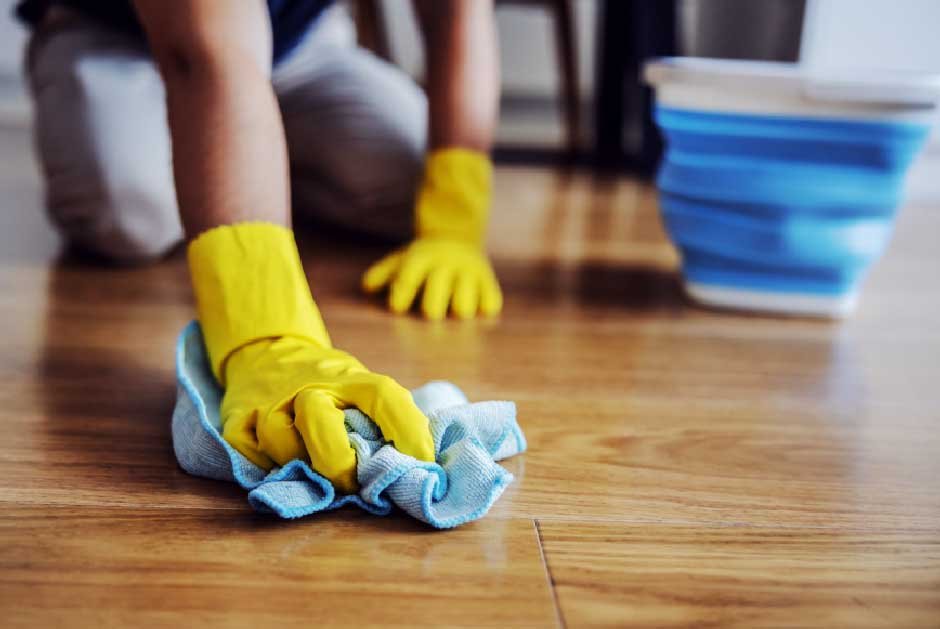
Every homeowner knows the struggle: floors that looked pristine yesterday somehow accumulate dust, dirt, and mysterious sticky spots overnight. The challenge becomes even more complex when you’re juggling multiple flooring types throughout your home, each with its own quirks and requirements. From the elegant warmth of hardwood to the practical durability of tile, each surface demands a tailored approach to cleaning and care.
The good news? You don’t need to become a flooring expert overnight. Today’s cleaning arsenal includes everything from time-tested mops and brooms to sophisticated floor cleaner devices engineered for specific surfaces. Success comes down to understanding what you’re working with, choosing the right approach, and building habits that protect your investment while keeping your home looking its absolute best.
Identifying Your Floor Type and Its Unique Needs
Think of your floors as having distinct personalities—what works for one might spell disaster for another. Hardwood floors, for instance, are surprisingly sensitive souls. They thrive with gentle, pH-neutral cleaners and just a whisper of moisture. Too much water, and you’ll face warping, cupping, or finish damage that can cost thousands to repair. Engineered wood offers a bit more forgiveness when it comes to moisture, but it still requires a delicate touch.
Laminate flooring might look tough, but it has an Achilles’ heel: those seams where water can sneak in and cause irreversible swelling. Meanwhile, tile floors present their own puzzle. Natural stone varieties like marble or travertine can actually be etched by acidic cleaners, while ceramic tiles can handle more robust cleaning solutions without batting an eye.
Then there’s carpet—a completely different beast altogether. Success here means regular vacuuming to prevent dirt from grinding into fibers, plus periodic deep cleaning to extract the grime that surface cleaning can’t touch.
Here’s a crucial tip that can save you heartache and money: always check your manufacturer’s guidelines before trying new products or methods. Ignoring these recommendations doesn’t just risk damage—it can void your warranty entirely.
Establishing Effective Routine Cleaning Habits
The secret to gorgeous floors isn’t found in expensive products or marathon cleaning sessions—it’s in consistency. A few minutes of daily attention prevents the buildup that leads to hours of scrubbing later.
Start every cleaning session with dry removal. Sweeping or vacuuming first eliminates loose debris that would otherwise turn into sandpaper under your mop, scratching surfaces you’re trying to protect. High-traffic areas like entryways and kitchens benefit from daily attention, while guest bedrooms might only need cleaning every few days.
When you do move to wet cleaning, match your approach to your floor’s personality. Hardwood needs a damp mop—not soaking wet, just barely moist. Think of it as giving your floors a light refreshing drink, not a flood. Tile can handle more moisture but should be dried reasonably quickly to prevent water spots and keep grout looking fresh.
Spills happen—it’s a fact of life. The key is addressing them immediately. Blot carpet spills rather than rubbing them deeper into fibers. For hardwood, clean up liquid spills quickly with minimal moisture to prevent the liquid from seeping into the wood grain and causing permanent damage.
Going Beyond Daily Care: Deep Cleaning Strategies
Even the most diligent daily routine can’t handle everything. That’s where periodic deep cleaning comes in—think of it as a spa day for your floors. Most homes benefit from this intensive care quarterly, though high-traffic households or homes with pets might need it more frequently.
Deep cleaning looks different for each floor type. Hardwood might need specialized cleaners that penetrate beyond daily grime, and older floors may eventually require refinishing to restore their luster. Tile floors benefit from focused grout cleaning and commercial-grade solutions that tackle soap scum and mineral deposits that regular mopping can’t touch.
Carpet deep cleaning is perhaps the most dramatic transformation. Professional-grade extraction methods can pull out embedded dirt and allergens, leaving carpets looking and feeling remarkably refreshed.
Before diving into any deep cleaning project, test new products in a hidden corner first. Better to discover a problem in an inconspicuous spot than in the middle of your living room. When facing particularly stubborn stains or extensive buildup, don’t hesitate to consult professional cleaners—their expertise can often save you time, effort, and potential damage.
Preventive Measures That Extend Floor Life
Smart homeowners know that prevention beats cure every time. A few strategic choices can dramatically extend your floors’ lifespan while reducing your cleaning workload.
Start at the source: place quality entrance mats both inside and outside your doors. These simple additions can reduce tracked-in dirt and moisture by up to 80%. Furniture pads are another small investment with big returns, preventing the scratches and dents that plague hardwood and laminate floors.
Don’t overlook your home’s humidity levels. Both bone-dry winter air and summer’s excessive moisture can wreak havoc on various flooring materials. A good humidifier or dehumidifier isn’t just about comfort—it’s floor insurance.
Strategic area rugs serve double duty in high-traffic zones, protecting the floors underneath while adding warmth and style to your space. Think of them as both functional and decorative investments.
Regular maintenance schedules might seem tedious, but they prevent minor issues from snowballing into major headaches. A small water stain addressed promptly might need just a quick touch-up, while the same stain ignored for months could require professional refinishing.
Common Floor Cleaning Mistakes to Avoid
Even well-intentioned homeowners can inadvertently damage their floors. The biggest culprit? Too much water. This single mistake can warp hardwood, cause laminate seams to swell, and create drying conditions that invite mold growth.
Product mismatches are equally problematic. Using the wrong cleaner can cause chemical damage, unsightly discoloration, or stubborn residue buildup that’s harder to remove than the original dirt.
Many people assume that more aggressive cleaning means better results, but abrasive tools and harsh scrubbing often do more harm than good. These approaches can scratch surfaces and strip away protective finishes, particularly on hardwood and luxury vinyl.
Perhaps most importantly, don’t ignore manufacturer guidelines. These aren’t suggestions—they’re roadmaps to maintaining your warranty and ensuring your floors perform as designed.
Taking Control of Your Floor Maintenance
Mastering floor maintenance isn’t about perfection—it’s about understanding what you’re working with and developing sustainable habits that fit your lifestyle. Start by taking inventory of your floor types and creating a realistic maintenance schedule that covers both daily upkeep and periodic deep cleaning.
Remember that you’re not in this alone. Professional cleaners and flooring specialists bring valuable expertise to challenging situations or major maintenance projects. Their knowledge can often save you time, money, and frustration while ensuring your floors get the care they deserve.
With the right approach, your floors will reward your efforts with years of beauty and functionality. The investment in proper maintenance pays dividends in both appearance and longevity, keeping your home looking its best while protecting one of its most significant features.