
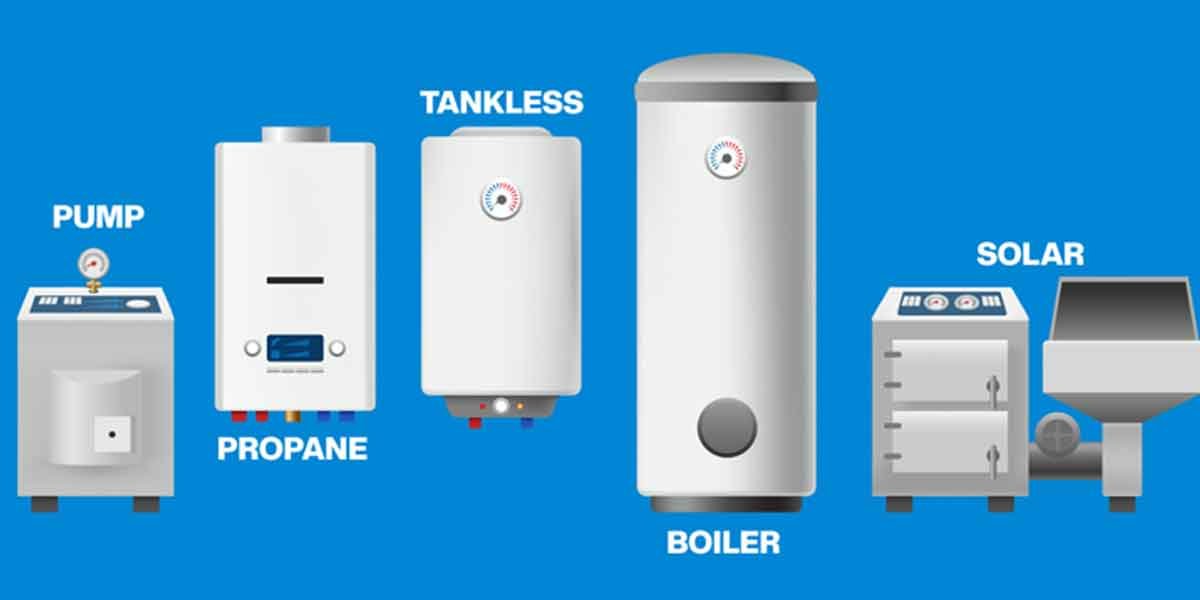
Selecting the right water heater is a decision that can impact your home’s comfort and energy efficiency. Manufacturers offer several types of water heaters, each with a distinct design that influences delivery speed, temperature consistency, and capacity. Here are a few different types of water heaters available:
Tankless Units
Tankless water heaters operate by allowing cold water to enter the unit whenever a hot water tap is activated. The system heats water on demand using a gas burner or electric device and delivers it to the tap without storing it. Direct delivery from the tankless heater avoids maintaining a standing volume of hot water in a tank.
Tank Heaters
Storage tank heaters are devices designed to heat and store water in an insulated tank, keeping it ready for use at any time. These heaters can supply enough hot water for bathing, cleaning, and other household needs simultaneously. A storage tank uses more energy than some other heater styles because it maintains water at a constant temperature around the clock.
Hybrid Tank Systems
Hybrid heaters are tank-based water heating systems with heat pump technology. They take ambient heat from the environment, such as the air or ground, to heat the water inside the tank. Their reliance on heat pumps rather than electrical resistance elements or combustion heaters influences their overall energy consumption profile.
Manufacturers configure hybrid systems, known as tank and tankless hybrids, to supply hot water for homes with higher warm water use across an average day. These systems provide water for general household purposes such as bathing, cleaning, and cooking. They combine energy efficiency with consistent performance, reducing wait time for hot water.
Gas-Based Heaters
Gas-based heaters use natural gas or propane to heat water. The gas burns in a combustion chamber, which warms the water stored in a tank. They heat water more quickly than some electricity-based storage heating systems. Installation of natural gas heaters is conducted by a qualified professional to check that no gas is leaking from the system.
Electric and Solar Heaters
Electric water heaters work by passing an electric current through heating elements, which convert electricity into heat and warm the water inside the tank. A thermostat monitors the temperature to keep the water at the desired level throughout the day. These units store heated water in an insulated tank so it’s ready for use whenever needed.
Solar heaters depend on solar energy to power their heating systems. They work when solar panels are installed on the roof or in a nearby open area. The system collects solar energy and uses it to heat water stored in an insulated tank. These systems reduce reliance on fossil fuel–based energy sources. They may be paired with a backup heating source to provide hot water when solar input is low.
Explore Water Heaters Today
Each water heater has specific capabilities based on its heating method and configuration, which align differently with household hot water patterns. When choosing a water heating system, assess the volume of warm water needed, the time of day it is required, and the number of fixtures used at once. A single-family home that relies on one primary heater can use either a storage tank or a tankless heater. Consult experts in water heaters and installation to find the one that fits your needs.