


If you’ve spent more than five minutes browsing protein supplements, you’ve seen both options: whey protein concentrate (WPC) and whey protein isolate (WPI). They come from the same source milk, but the similarities start to diverge after that. Understanding what sets them apart helps you make a smarter decision about which form belongs in your stack.
How Whey Protein Is Made
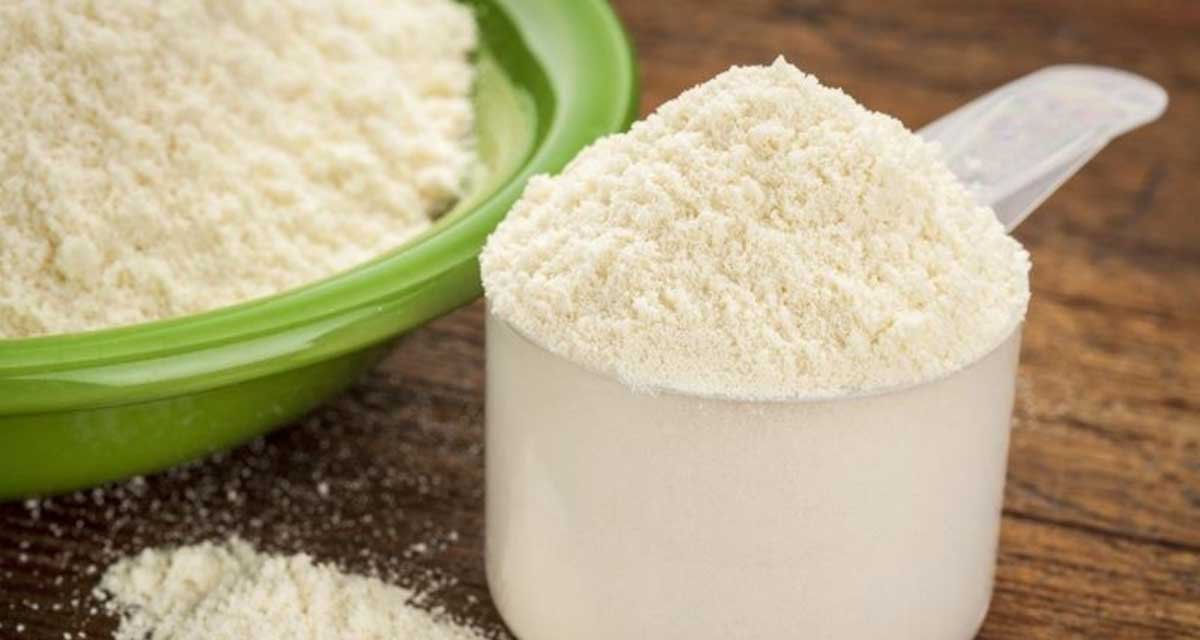
The Basics of Processing
Both concentrate and isolate begin with the same raw material: the liquid whey that separates from milk during cheese production. From there, the processing paths split.
Whey protein concentrate undergoes filtration to remove a portion of fat and lactose, resulting in a powder that typically contains 70–80% protein by weight, with the remainder made up of fats, carbohydrates, and lactose.
Whey protein isolate goes through additional processing, usually ion exchange or cross-flow microfiltration, to strip away nearly all fat and lactose. The result is a powder that delivers 90% or more protein by weight, making it the more refined of the two forms.
What Gets Removed (and What Stays)
The extra processing in isolate isn’t just about bumping up protein percentage. It also removes most of the lactose, which matters significantly for people with lactose sensitivity. Concentrate retains more bioactive compounds, including immunoglobulins and lactoferrin, which some argue have immune-supporting properties, though the practical impact at typical serving sizes is debated.
Nutritional Profile: Head to Head

Here’s where the differences become concrete:
Whey Protein Concentrate (per 30g serving, approximate)
- Protein: 21–24g
- Fat: 2–4g
- Carbohydrates: 3–5g
- Lactose: Moderate
- Calories: 110–130 kcal
Whey Protein Isolate (per 30g serving, approximate)
- Protein: 25–27g
- Fat: 0.5–1g
- Carbohydrates: 1–2g
- Lactose: Minimal to none
- Calories: 100–120 kcal
For people tracking macros tightly or managing caloric intake, those differences add up across multiple servings per week.
Performance Benefits: What the Research Shows

Muscle Mass and Strength
Whey protein in both forms is considered the gold standard of protein supplementation due to its high essential amino acid content and absorption rate properties that closely mirror the amino acid profile of human skeletal muscle.
A randomized, double-blind, placebo-controlled study published in Nutrients found that participants supplementing with whey protein isolate during a four-week resistance training program showed significantly greater increases in muscle mass compared to the placebo group. Notably, the protein group also demonstrated meaningful improvements in muscular strength and endurance across multiple joint measurements, effects that were independent of dietary influence, since all participants received controlled meals throughout the intervention (Kim et al., 2023).
Benefits Beyond the Gym
The muscle-building potential of whey protein isolate extends beyond healthy athletes. A 12-week randomized clinical trial in chronic heart failure patients, a population particularly prone to skeletal muscle loss, found that daily supplementation with 30g of WPI led to increased skeletal muscle mass, reduced body fat percentage, and improved skeletal muscle index compared to placebo (PubMed PMID: 37242203). This suggests WPI’s utility isn’t limited to performance contexts; it may play a meaningful role in clinical muscle preservation.
Who Should Choose Which

Whey Protein Concentrate Is a Strong Fit If You:
- Don’t have lactose sensitivity or digestive issues with dairy
- Prefer a more budget-friendly option
- Want a slightly richer flavor and texture (the residual fat helps here)
- Are focused on general protein intake without strict macro targets
Whey Protein Isolate Is the Better Choice If You:
- Are lactose-intolerant or experience bloating with concentrate
- Are cutting calories and need a leaner protein source
- Want the highest protein-per-serving ratio available
- Are in a therapeutic or clinical context where muscle preservation is a priority
The Price Factor
Isolate consistently costs more than concentrate; the additional processing steps drive up manufacturing costs, and that gets passed to the consumer. Depending on the brand, you can expect to pay 20–40% more per pound for a quality isolate.
Whether that premium is worth it comes down to your goals. For most recreational lifters, eating a balanced diet, concentrate delivers excellent results. For anyone with lactose sensitivity, a tight macro budget, or a specific therapeutic goal, isolate is usually the smarter investment.
The Bottom Line
Neither form is universally superior; they serve different needs. Whey protein concentrate offers solid performance at a lower price point, while whey protein isolate delivers a cleaner, higher-protein, lower-calorie profile that suits specific dietary requirements and goals. Both have a well-established track record in supporting muscle protein synthesis, lean mass, and recovery when paired with consistent resistance training.
What matters most is that you’re actually hitting your daily protein targets. The best form of whey protein is the one you’ll consistently use.