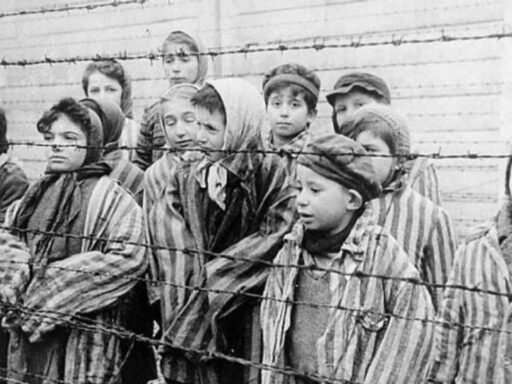


Poverty is still one of the most pressing challenges facing communities worldwide, affecting millions of children and families. Its impact stretches far beyond financial strain, influencing health, education, and emotional well-being. While systemic solutions are necessary to tackle poverty on a large scale, there are many practical ways individuals and communities can make a meaningful difference in the lives of children and families experiencing hardship.
1. Educate Yourself About Poverty
Understanding the root causes of poverty is the first step toward providing meaningful support. Poverty is rarely a result of a single factor; it often stems from a combination of systemic issues such as a lack of access to education, unemployment, healthcare disparities, and social inequality. Learning about these factors can help you approach assistance with empathy and awareness. Organizations like Compassion International provide valuable insights into what drives poverty and ways you can support children affected by it.
2. Support Local Food Programs
Food insecurity is one of the most immediate challenges for families living in poverty. Donating to local food banks, participating in school lunch programs, or volunteering at community kitchens can help ensure children receive the nutrition they need. Small gestures, such as organizing food drives or contributing non-perishable items, can directly impact the health and development of children in need.
3. Contribute to Educational Initiatives
Education is a powerful tool for breaking the cycle of poverty. Children from low-income families often face barriers such as lack of school supplies, limited access to technology, or extracurricular opportunities. Donating books, school supplies, or funding scholarships can make education more accessible. Additionally, volunteering as a tutor or mentor helps children gain confidence and academic skills that will benefit them long-term.
4. Advocate for Accessible Healthcare
Families experiencing poverty often struggle to afford necessary healthcare services. Supporting programs that provide medical, dental, and mental health services to underserved communities can make a critical difference. You can also advocate for policies that expand access to healthcare or participate in community health initiatives that offer free screenings, vaccinations, and wellness resources.
5. Provide Financial Literacy Support
Teaching families practical money management skills can help them maximize limited resources and plan for the future. Workshops on budgeting, saving, and managing debt empower parents to make informed financial decisions. Supporting organizations that offer financial literacy programs can give families the tools they need to achieve greater stability.
6. Volunteer Time and Skills
Sometimes the most valuable contribution is your time. Volunteering in community centers,
schools, or after-school programs allows you to provide guidance, mentorship, and emotional support. Offering professional skills, such as resume building, career coaching, or legal advice, can also help parents access better employment opportunities and improve their household’s economic situation.
7. Donate to Trusted Charities
Financial contributions, when given to trusted organizations, can be a highly effective way to support children and families in need. Charities often have programs designed to address specific challenges, such as nutrition, education, or healthcare. Consistent donations, even in small amounts, can help sustain these programs and expand their reach.
8. Create a Supportive Community Environment
Poverty often isolates families from broader social networks, making support difficult to access. Communities that foster connection and inclusion can play a crucial role. Hosting clothing swaps, neighborhood tutoring groups, or local fundraisers can create networks of mutual aid. Simple gestures, such as checking in on families or offering transportation assistance, help reduce the stress associated with financial hardship.
9. Encourage Policy Change
While individual efforts are impactful, advocating for systemic change addresses the root causes of poverty. Supporting policies that improve minimum wage standards, expand access to affordable housing, or increase funding for social services benefits children and families on a larger scale. Civic engagement, such as writing to representatives or participating in local government initiatives, amplifies the voices of those affected.
10. Practice Empathy and Awareness
Perhaps the most important way to support children and families affected by poverty is through empathy. Understanding their experiences without judgment fosters trust and allows for meaningful assistance. Recognizing the dignity of every individual and listening to their needs ensures that your efforts are helpful and respectful.
Supporting children and families affected by poverty requires a combination of compassion, action, and understanding. By educating yourself, contributing time or resources, advocating for systemic change, and nurturing supportive communities, you can help create opportunities for children to thrive. Even small, consistent efforts can ripple outward, transforming lives and fostering hope for a brighter future. Every step taken toward alleviating poverty is a step toward stronger, healthier, and more resilient communities.