
Most facility problems don’t start with a major failure. They begin as small issues—an unnoticed leak, a missed inspection, a few damaged products—that quietly grow until they interrupt operations. By the time they’re visible, they’ve already cost time, money, or credibility.
Business owners often focus on output, deadlines, and growth. That makes sense. But the condition of your facility plays a direct role in all three. If something goes wrong behind the scenes, everything else slows down or stops.
Facility risk management is about staying ahead of those disruptions. It gives you a clear view of what could go wrong and what to do before it affects your business. When done right, it becomes part of how your operation runs every day.
The Risks That Quietly Build Over Time
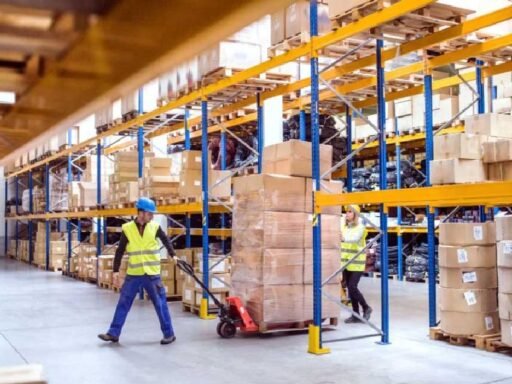
Many facility risks don’t stand out at first. They develop slowly and often go unnoticed because they don’t interrupt work right away. One common example is pest activity. It often starts with a few insects near stored goods or packaging areas, which can be easy to dismiss during a busy day. At the same time, stored products may sit longer than expected, and small hygiene gaps may appear in high-traffic zones.
Over time, these small issues create real problems. Pest activity can spread into inventory, leading to contamination and product loss before anyone realizes the scale of the issue. This is usually when businesses begin to explore solutions like commercial fumigation services to regain control. The issue isn’t always a lack of effort—it’s usually a lack of visibility. When teams get used to working around minor issues, those issues become routine. Catching these patterns early helps prevent costly corrections later.
Making Sense of Compliance Without the Stress
Compliance often feels overwhelming because it comes with detailed requirements and regular checks. Many business owners assume they need complex systems to stay compliant, but most of it comes down to consistency and clear processes. Inspectors look for signs that your facility operates in a controlled and predictable way.
That includes proper documentation, clean work areas, and evidence that you monitor risks regularly. If something goes wrong, they want to see how you handled it. Keeping simple, accurate records makes a big difference. You don’t need to overcomplicate the process. Focus on doing the basics well every day. When your facility runs in an organized and consistent way, compliance becomes easier to manage and less stressful.
Why Regular Checks Matter More Than You Think
Routine inspections are one of the most practical tools in facility risk management. They give you a chance to see what’s actually happening in your space, not what you assume is happening. These checks don’t need to be long or complicated, but they need to be consistent.
Walking through your facility, reviewing storage conditions, and checking equipment performance can reveal issues early. Over time, these checks help you notice patterns, like recurring weak spots or areas that need more attention. Skipping inspections creates blind spots, and that’s where problems grow. When inspections become part of your regular workflow, you build a habit of awareness. That habit helps you catch issues before they affect your operations.
Building a Plan That Works in Real Operations
A strong risk management plan should match how your facility actually runs. Generic checklists rarely work because every operation has different layouts, workflows, and pressure points. Start by identifying areas where problems would cause the most disruption, such as storage zones, production lines, or loading areas.
Assign clear responsibilities so your team knows who checks what and when. Keep the process simple enough that it can be followed during busy days. Written procedures help, but consistency matters more. Review the plan regularly and adjust it when operations change. A working plan should feel like part of the routine, not an extra task. When your team follows it naturally, risk management becomes more effective without slowing down daily work.
Training Staff to Notice What Others Miss
Your team spends more time inside the facility than anyone else. That makes them the first line of defense when something starts to go wrong. The key is helping them recognize early warning signs during normal tasks. This includes spotting damaged packaging, unusual smells, small leaks, or unexpected changes in storage conditions.
Training doesn’t need to be complicated. Short, practical sessions work better than long presentations. Show real examples from your facility so employees understand what to look for. Encourage them to report issues without hesitation. When staff feel comfortable speaking up, problems get addressed faster. Over time, this creates a culture where attention to detail becomes part of the job, not an extra responsibility.
Keeping Operations Smooth While Managing Risk
Risk management should support your workflow, not interrupt it. The goal is to reduce issues without slowing down production or delivery schedules. This requires planning tasks like maintenance, inspections, and treatments at the right time. For example, scheduling work during low-activity hours helps avoid delays.
Communication also plays a role. Teams should know when certain areas are being checked or serviced so they can adjust their work if needed. When risk management is planned in advance, it blends into daily operations instead of causing sudden stops. Businesses that manage this well tend to face fewer disruptions because they handle issues in controlled conditions rather than reacting under pressure.
Protecting Your Reputation Through Consistency
Customers and partners expect reliability. They may not see your facility, but they notice the results of how it’s managed. Delays, damaged goods, or failed quality checks can raise concerns quickly. Once trust is affected, it takes time to rebuild.
Consistent facility management helps avoid those situations. When your processes run smoothly and your environment stays controlled, your output reflects that stability. Audits and inspections also become easier because your records and practices already meet expectations. This level of consistency shows that your business takes quality seriously. Over time, it strengthens your reputation and makes it easier to maintain long-term relationships with clients and partners.
Facility risk management works best when it becomes part of everyday operations. It doesn’t require complicated systems or constant intervention. It requires attention, clear processes, and a team that understands what to look for. Most risks give early signals, and those signals are easier to act on when you stay consistent.
Businesses that stay proactive deal with fewer emergencies and fewer disruptions. They spend less time fixing problems and more time moving forward. Over time, this approach supports better performance, smoother workflows, and stronger trust with customers. When you manage your facility with care and consistency, you create a stable foundation for long-term growth.