
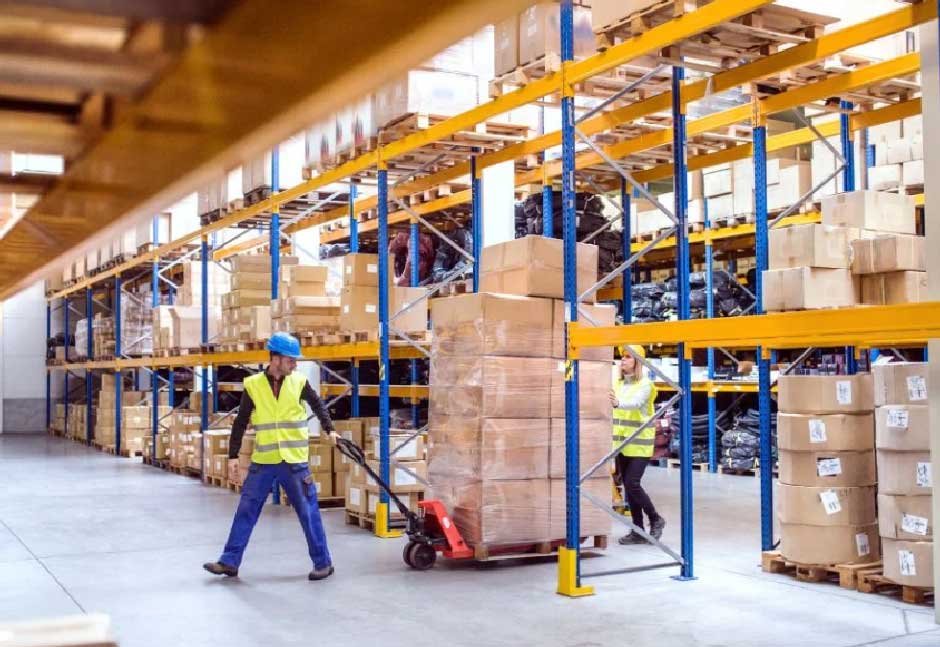
Operating a commercial warehouse requires a constant balancing act between meeting tight deadlines and keeping staff secure. In Australia, supply chains are moving faster than ever, putting immense pressure on facility managers to maintain peak efficiency without compromising on health and safety. While implementing new technologies or advanced logistics software might seem like the quickest way to boost output, the reality is that foundational safety practices are what truly keep a facility running smoothly. A proactive approach to risk management prevents costly downtime, minimises legal liabilities, and protects your most valuable asset, which is your workforce. Striking the perfect balance means committing to daily habits that reinforce operational excellence.
Understanding the True Cost of Workplace Hazards
It is easy to overlook minor hazards when warehouse teams are heavily focused on fulfilling orders and meeting dispatch quotas. However, seemingly small issues like a buildup of dust, loose packaging, or minor liquid spills can quickly escalate into serious accidents if left unaddressed. The financial and human costs associated with these incidents are substantial, often resulting in prolonged absences and decreased team morale. Recent data highlights this reality, revealing that 80 percent of serious workers’ compensation claims involve falls, slips, and trips. The report also notes that over 60 percent of these serious claims occur within just six industries, with warehousing and manufacturing heavily represented. These statistics underscore the critical need to identify and eliminate floor hazards before they cause permanent harm. Proactive hazard identification must be embedded into the daily workflow of every shift.
Implementing Proactive Floor Maintenance
Given the high risk of slip and fall incidents, regular floor maintenance must be a top priority for any commercial facility. Sweeping a massive warehouse by hand is simply not feasible, as it is incredibly labour-intensive, highly inefficient, and often leaves fine particulate matter behind. This lingering dust can degrade sensitive machinery components, contaminate inventory, and create long-term respiratory risks for employees. To combat this efficiently, facility managers should invest in high-quality industrial sweepers to rapidly clear away debris and maintain a hazard-free environment. Using the appropriate heavy-duty equipment ensures that large surface areas are cleaned thoroughly and consistently. This significantly reduces the likelihood of accidents while allowing staff to focus on their primary logistical tasks rather than manual upkeep.
Developing Standard Operating Procedures
Having the right equipment is only one piece of the operational puzzle. To sustain a safe and productive environment, a business must establish strict guidelines that dictate exactly how and when cleaning and maintenance tasks are performed. Ad hoc cleaning schedules often lead to neglected areas, increasing the chance of an unexpected hazard going unnoticed. By transforming daily safety checks into standard operating procedures, facility managers create a culture of accountability where every team member knows their specific responsibilities. Establishing these strong operational foundations is a vital step for any enterprise. Whether leadership is expanding a major logistics hub or exploring new ventures (such as evaluating how to determine if you are a good fit in owning a coworking franchise), creating scalable and structured routines is the key to preventing workplace injuries and equipment breakdowns. Consistent habits make safety an ingrained practice rather than a reactive afterthought.
Key Pillars of a Warehouse Safety Strategy
Creating a resilient safety culture requires a multifaceted approach. Managers need to look beyond the floor surface and evaluate the entire operational environment to identify potential risks. Implementing a comprehensive strategy ensures that vulnerabilities are mitigated from every possible angle, creating a secure space for all personnel.
Consider integrating the following practices into your daily warehouse operations:
- Conducting routine equipment inspections: Ensure that all forklifts, pallet jacks, and cleaning machines are serviced regularly to prevent unexpected mechanical failures during busy shifts.
- Providing continuous staff training: Offer regular refresher courses on proper lifting techniques, hazard identification, and emergency response protocols so that employees remain vigilant.
- Improving visibility with optimal lighting: Replace dim or flickering bulbs immediately. Poor lighting obscures potential hazards and dramatically increases the risk of collisions between pedestrians and vehicles.
- Defining clear pedestrian walkways: Use high-visibility floor tape or paint to clearly separate foot traffic from heavy machinery zones, minimising the risk of serious accidents.
- Maintaining clear communication channels: Encourage employees to report potential safety risks or near-misses without fear of reprimand, allowing management to address issues proactively before an incident occurs.
Maintaining safety and efficiency in a commercial warehouse is an ongoing commitment that requires dedication from both management and floor staff. It demands a seamless combination of reliable cleaning technology, clear operational procedures, and a highly proactive management style. By prioritising a hazard-free environment, businesses not only comply with essential national health regulations but also create a supportive workplace where employees feel valued and protected. Ultimately, a clean and well-organised warehouse is the fundamental cornerstone of a highly productive supply chain, setting the stage for long-term operational success and sustainable business growth.