

As the world becomes more eco-conscious, making green choices in every aspect of life, including oral hygiene, is vital. Utilizing sustainable practices and seeking out environmentally responsible products not only keeps your teeth and gums healthy but also leads to positive change for the planet. Small steps, like swapping your daily essentials for greener alternatives such as eco-friendly floss picks, can have a significant effect on reducing the amount of waste that ends up in landfills and our waterways.
Sustainable oral care is about choosing products that support both your well-being and environmental protection. Innovations in biodegradable toothbrushes, plant-based packaging, and low-impact formulas give everyone the chance to minimize their ecological footprint while maintaining a bright, confident smile. By rethinking everyday routines, you can make oral hygiene a force for good, starting in your own bathroom.
Understanding the Environmental Impact of Traditional Oral Care
Most standard oral care products are surprisingly harmful to the environment. Plastic toothbrushes, toothpaste tubes, and floss dispensers are made from materials that often aren’t recycled, leading to billions of items entering landfills and oceans each year. According to the American Dental Association, approximately one billion plastic toothbrushes are thrown away annually in the United States, requiring up to 500 years to degrade. Toothpaste packaging typically combines multiple materials, making it difficult for recycling facilities to process. These daily disposables accumulate, causing long-lasting pollution and contributing to the global plastic problem.
Besides the visible waste, certain ingredients in traditional oral care products, like microbeads in toothpastes and chemical-laden mouthwashes, can enter water systems and harm aquatic life. Choices made at home have a ripple effect, influencing both local waste issues and wider environmental health. Finding ways to green up your routine can play a part in alleviating these broader problems.
Choosing Sustainable Toothbrushes
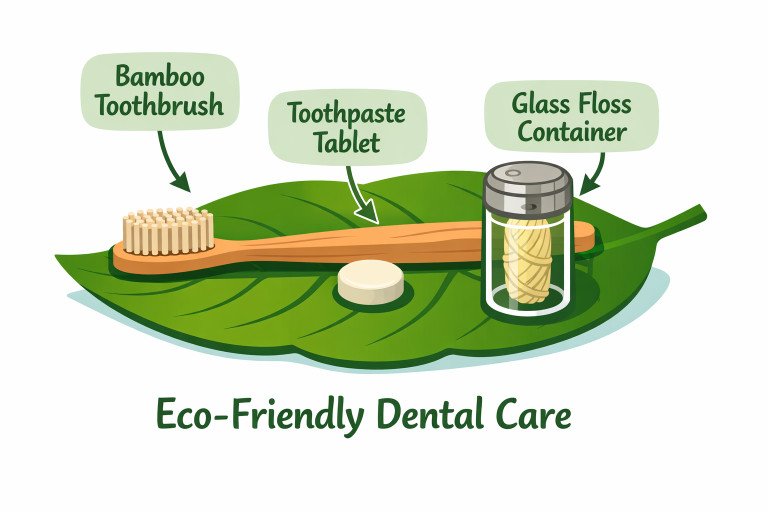
To reduce plastic waste from your daily brushing routine, consider switching to biodegradable toothbrushes made from bamboo or other plant-based materials. Bamboo toothbrushes are an ideal alternative as they are compostable and naturally antimicrobial, adding an extra level of hygiene to your oral care practice. Bristles made from castor bean oil or nylon-4 offer lower-impact options rather than conventional petroleum-based nylon. Choose toothbrushes with recyclable or minimal packaging to further reduce environmental impact.
Exploring Natural Toothpaste Alternatives
Traditional toothpastes are often packaged in tubes that are nearly impossible to recycle, partly due to their composite construction. Eco-friendly alternatives now come in the form of toothpaste tablets or powders, which are packaged in glass jars, recycled cardboard, or compostable bags. These alternatives typically use natural ingredients like baking soda, calcium carbonate, and coconut oil, which are gentle on your teeth and the environment. By making this switch, you reduce both chemical exposure and waste output.
Adopting Eco-Friendly Flossing Habits
Dental floss is an essential part of oral hygiene, but traditional products are made from nylon and encased in hard-to-recycle plastic containers. Sustainable floss options feature biodegradable silk or corn-based fibers, which break down naturally. These are often packaged in reusable glass or metal dispensers. For those who prefer floss picks, many companies now offer compostable or recyclable versions, making it even easier to prioritize oral health without environmental guilt. If you are looking for more zero-waste solutions for other personal care needs, check out this extensive guide from Healthline.
Conserving Water During Oral Hygiene
It may seem trivial, but leaving the faucet running while brushing your teeth can waste several gallons of water daily. Simply shutting off the tap while brushing and only turning it on when it is time to rinse helps conserve this precious resource. Reducing water usage is essential during times of drought and benefits the environment by lowering the energy required for water treatment and delivery.
Supporting Sustainable Dental Brands
With growing consumer demand for sustainability, many dental brands are shifting toward greener practices. Look for companies that use recycled or compostable materials for packaging, implement eco-friendly manufacturing processes, and source ingredients responsibly. Choosing to purchase from these brands signals to the broader market that consumers value environmental stewardship. Certifications, such as B Corporation or Fair Trade, can help guide your selections toward ethical companies.
Implementing Eco-Friendly Practices in Daily Routine
Eco-friendly oral care goes beyond product swaps. Incorporate habits like using compostable toothbrushes, refilling your dental floss container, recycling packaging, and being mindful of water use. Teaching children sustainable oral hygiene at an early age can build lifelong habits that benefit both their health and the environment. Reevaluating how you dispose of old products, such as sending used toothbrushes and dental care items to specialty recycling programs, adds another dimension to your green routine.
Conclusion
Transitioning to eco-friendly oral care does not require a complete lifestyle overhaul. By making purposeful choices about the products you buy and the routines you follow, you support both your own well-being and the broader health of the planet. Sustainable oral hygiene is a win for everyone, bringing you a healthier smile and helping ensure a cleaner, greener world for generations to come.