
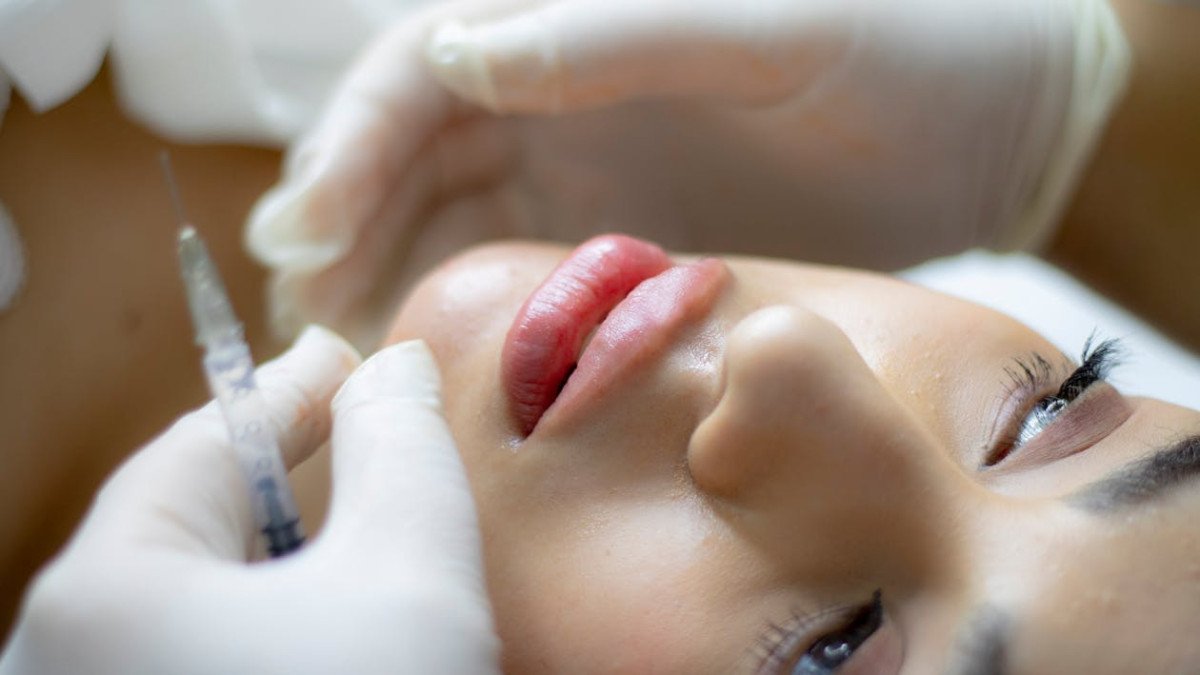
Have you noticed how people now talk about sleep scores, protein intake, and cortisol levels the same way they once talked about luxury handbags? In Oklahoma City, health has become part of personal branding, and the aesthetic industry is reacting fast. Cosmetic treatments are no longer sold as vanity projects alone. They are increasingly tied to energy, confidence, longevity, and mental wellness, creating a culture where looking healthy and feeling healthy are marketed as the same thing.
The Rise of Preventive Beauty
Social media and celebrity influence have also normalized aesthetic care, making treatments feel less taboo and more connected to wellness and self-confidence. Instead of chasing perfection, many patients now prioritize subtle enhancements that preserve natural features. This shift has encouraged clinics to focus on long-term skin health, education, and customized treatment plans tailored to individual lifestyles. Younger generations are especially drawn to preventive treatments that help maintain healthy skin over time rather than reverse severe signs of aging later. Regular facials, injectables, and noninvasive procedures are now viewed similarly to fitness or skincare routines, becoming part of an overall approach to personal care, confidence, and everyday wellness.
When it comes to plastic surgery Oklahoma City reflects a broader national shift toward natural-looking results that support modern wellness goals rather than dramatic makeovers. Patients are increasingly choosing procedures that soften signs of stress, improve facial balance, and restore confidence without making them look drastically different. Busy professionals, parents, and even younger adults are looking for treatments that fit into regular routines with minimal downtime, especially as work calls and social media keep appearance constantly visible. The growing interest also shows how aesthetic care is becoming less about chasing perfection and more about feeling refreshed, healthy, and comfortable in everyday life.
Fitness Culture Is Changing Facial Trends
The explosion of fitness culture has created an unexpected side effect inside aesthetic clinics. Rapid weight loss from intense training programs and medications like Ozempic has changed the way faces age. Doctors now regularly discuss “Ozempic face,” a term describing facial volume loss after significant weight reduction. The phrase sounds like a social media joke, but the concern behind it is real.
Patients who spent years trying to slim down are discovering that a leaner body can sometimes make the face appear older. That has increased demand for fillers, fat grafting, and skin tightening procedures designed to restore balance. Ironically, the same wellness movement encouraging healthier bodies is also fueling a new wave of cosmetic treatments aimed at softening the visible effects of that transformation.
Mental Health Is Entering the Conversation
A decade ago, aesthetic marketing focused almost entirely on appearance. Today, clinics increasingly discuss confidence, emotional wellness, and self-esteem because consumers are openly talking about mental health in ways previous generations rarely did. Therapy language has entered beauty culture, sometimes helpfully and sometimes in ways that feel suspiciously close to a marketing strategy.
Patients are asking more thoughtful questions before procedures. They want realistic outcomes and healthier relationships with aging rather than impossible perfection. Many reputable providers now screen for emotional readiness before major surgeries because social media pressure can distort expectations. That shift matters because the aesthetic industry is finally recognizing that a successful treatment is not just about changing a face. It is also about protecting a person’s sense of identity and emotional stability.
Technology Is Making Treatments Feel Less Intimidating
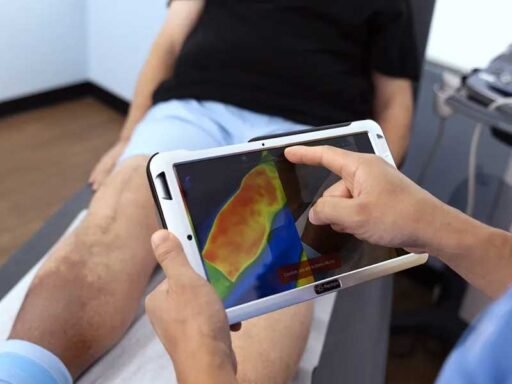
Advances in technology have dramatically changed how aesthetic procedures are performed and marketed. Noninvasive treatments now dominate many clinics because consumers prefer shorter recovery times and less visible evidence of work being done. Radiofrequency devices, laser resurfacing, and ultrasound skin tightening appeal to busy professionals who cannot disappear for weeks after surgery.
Technology has also changed patient expectations. Apps track calories, sleep cycles, and heart rates, so people expect the same level of customization from aesthetic care. Clinics increasingly use AI imaging tools to simulate potential results, although some experts warn that these projections can create unrealistic standards. It is a strange modern reality where someone can compare before-and-after images while simultaneously checking how many steps they walked that day.
Social Media Keeps Redefining Beauty Standards
TikTok and Instagram continue shaping the aesthetic industry at lightning speed. Trends that once took years to spread now explode within weeks, pushing clinics to respond almost instantly. One month, everyone wants glass skin. The next month, people are discussing collagen banking, lymphatic drainage, or salmon sperm facials with complete seriousness, which would sound absurd to anyone overhearing the conversation in 2005.
At the same time, social media has created stronger consumer awareness. Patients are researching providers carefully, spotting overfilled faces more easily, and demanding natural-looking outcomes. Overdone cosmetic work now receives public criticism online, which has encouraged many practitioners to embrace subtle enhancements instead of dramatic alterations. Consumers want results that look believable under harsh smartphone cameras because modern beauty standards are shaped as much by selfies as they are by mirrors.
Men Are Becoming a Bigger Part of the Market
The stereotype that aesthetic procedures are mostly for women no longer reflects reality. Men are entering the market in growing numbers, particularly for treatments connected to professional competitiveness and healthy aging. Hair restoration, jawline contouring, body sculpting, and skin rejuvenation procedures are increasingly common among male patients who want to maintain a youthful appearance without looking obviously altered.
Corporate culture plays a major role in this trend. Remote work has not eliminated workplace pressure, and many professionals still feel judged by appearance during video calls or client meetings. Men who once avoided cosmetic procedures because of stigma now view them similarly to fitness memberships or dental work. The attitude has shifted from embarrassment to maintenance, especially among younger generations who grew up in image-driven online environments.
Sustainability Is Influencing Consumer Choices
Consumers are becoming more aware of sustainability, and the aesthetic industry is beginning to adapt. Patients increasingly ask about ingredient sourcing, packaging waste, cruelty-free products, and environmentally responsible manufacturing. Beauty brands that once focused only on luxury branding now emphasize clean formulas and ethical production because younger buyers pay attention to those details.
This trend reflects a broader cultural shift toward conscious consumption. People want wellness routines that align with personal values rather than just appearance goals. Clinics that promote holistic care, balanced skincare routines, and realistic treatment plans often build stronger trust with patients than businesses pushing endless procedures. In a culture flooded with aggressive advertising, honesty can feel surprisingly refreshing and, from a business standpoint, surprisingly profitable.
The result is an industry that feels less focused on hiding age and more focused on supporting quality of life. That approach resonates because people are exhausted by impossible standards. They want realistic improvements that fit real lives, whether that means smoother skin, better sleep, healthier habits, or simply looking less tired during Monday morning meetings.