

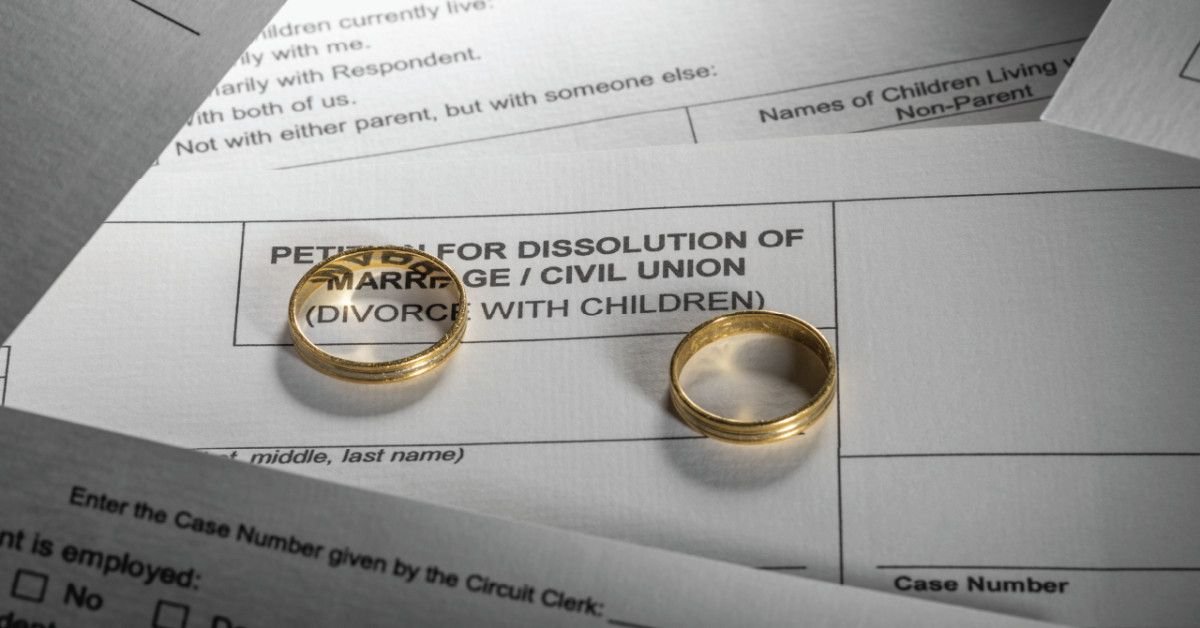
Getting over a divorce typically takes 1 to 3 years, with most people reporting that they feel substantially recovered — able to function normally, engage with life, and feel optimistic about the future — by roughly 18 to 24 months after the divorce is final. The range is wide because recovery is not a single event or a linear progression. It is the gradual rebuilding of identity, routines, social connections, and a sense of purpose — all of which were disrupted by the end of the marriage. A person who initiated the divorce after years of unhappiness may recover faster than a person who was left unexpectedly. A person with a strong support network recovers faster than a person who is isolated. A person without children may recover faster than a person who must co-parent with their ex-spouse for years after the divorce. The timeline is personal, and it is not a measure of strength or failure.
The popular idea that recovery takes “half the length of the marriage” — two years to recover from a four-year marriage, ten years from a twenty-year marriage — is a folk rule with no empirical support. A short marriage that was intensely emotionally significant can take longer to recover from than a long marriage that was functionally over for years before the divorce was filed. The quality of the attachment, not the duration, predicts the recovery timeline. A marriage that was the center of a person’s identity — their primary source of companionship, validation, and daily structure — leaves a larger void to fill than a marriage that was distant, disconnected, or conflicted for years. The recovery timeline is determined by how much of the self was invested in the marriage, not by how many years the marriage lasted.
The Emotional Timeline: What Recovery Looks Like Month by Month
The first 3 to 6 months: survival mode. The immediate aftermath of the divorce filing or physical separation is a period of acute stress. Sleep is disrupted. Appetite changes. Concentration is difficult. The brain is processing the end of the primary attachment relationship, and the neurochemistry of attachment withdrawal — the same neural circuits involved in physical pain — produces genuine physical symptoms. During this period, the goal is not to “get over it.” The goal is to function: to go to work, to feed yourself, to maintain basic routines, to avoid making major life decisions that cannot be undone. This is the period of survival, not recovery. It passes, but it does not pass quickly.
Months 6 to 12: grief and identity reconstruction. The acute stress subsides, and the grief deepens. This is the period where the reality of the divorce settles in — not just the loss of the spouse, but the loss of the future that was planned, the loss of the family unit, the loss of mutual friends who chose sides, the loss of financial security, and the loss of the identity of being married. The work of this period is to rebuild an identity that is not defined by the marriage. It is the slow process of answering the question “who am I, now, on my own?” — through new activities, new social connections, new routines, and a new sense of self that is not “the ex-spouse of so-and-so.”
Months 12 to 24: integration and forward motion. The divorce ceases to be the central organizing fact of daily life. The ex-spouse is no longer thought about constantly. New relationships, new interests, and new goals have filled some of the space that the marriage occupied. This is the period where “getting over it” becomes visible — the person laughs easily, makes plans for the future, and speaks about the divorce in the past tense without the sharp edge of fresh grief. The divorce does not disappear from memory. It integrates into the life story as something that happened, not something that is still happening.
Recovery is not the absence of sadness about the divorce. It is the absence of the divorce as the dominant emotion of daily life. A person who is “over” their divorce may still feel sad when they drive past the house they used to share, hear a song from their wedding, or see their ex-spouse with a new partner. These moments of sadness are normal. They are not evidence that recovery has failed. Recovery is being able to feel the sadness, let it pass, and return to a life that is fundamentally about the present and the future, not about the marriage that ended.
What Affects How Long Recovery Takes
- Who initiated the divorce. The spouse who was left typically takes longer to recover — sometimes 50% to 100% longer — than the spouse who initiated the divorce. The initiator had time to process the end of the marriage before the divorce was filed. The recipient is processing it after the fact.
- Presence of children. Co-parenting keeps the ex-spouse present in daily life. Every custody exchange, every school event, every disagreement about parenting decisions reopens the emotional connection. Parents who share custody recover more slowly than childless couples because the marriage ends legally but continues logistically.
- Financial stability. A divorce that reduces one spouse’s standard of living dramatically — loss of the family home, reduced income, financial dependence on support payments — adds material stress that compounds the emotional stress. Financial recovery and emotional recovery are linked.
- Social support. A person with close friends, family support, a therapist, or a divorce support group recovers faster than a person who is isolated. The recovery from divorce is not done alone. It is done in conversation, in companionship, and in the presence of people who care.
- New relationships. A new romantic relationship does not accelerate recovery in the first year and may delay it by distracting from the grief work that needs to be done. After the first year, a healthy new relationship can be part of recovery — evidence that love and connection are possible again.
FAQ: Common Questions About Emotional Recovery From Divorce
How do I know if I am over my divorce?
You can think about your ex-spouse without a strong emotional reaction — anger, longing, or despair. You can imagine their life with a new partner and feel indifference, or mild goodwill, rather than jealousy or pain. You make plans for your own future that do not involve them — and you look forward to those plans rather than dreading them. You no longer define yourself as a divorced person. Being divorced is a fact about your life, not the central fact about your identity.
I am 3 years past my divorce and still not over it. What should I do?
Three years of persistent grief, anger, or inability to move forward suggests complicated grief — a condition in which the normal grieving process stalls and the loss remains as acute as it was in the first year. Complicated grief affects roughly 10% to 15% of people after a major loss. It responds to therapy — specifically, cognitive behavioral therapy or a specialized treatment called complicated grief therapy. If you are 3 years past the divorce and still feel as though the divorce is the defining event of your emotional life, speak to a therapist. The grief is not a sign of weakness. The persistence of the grief beyond the normal recovery window is a sign that the grieving process needs professional help to complete.
1 to 3 Years, on Average. The Time Is Not a Test of Character.
Getting over a divorce takes 1 to 3 years for most people, with the first year dominated by acute grief, the second year by rebuilding, and the third year by integration and forward motion. The timeline is not a measure of how strong you are or how much you loved your spouse. It is a measure of how much of your life was woven into the marriage and how long it takes to weave a new life without it.
The legal divorce ends on the date the judge signs the decree. The emotional divorce takes much longer. Neither one is a race. Recovery is the slow, private work of becoming a person who is no longer defined by the marriage that ended.