

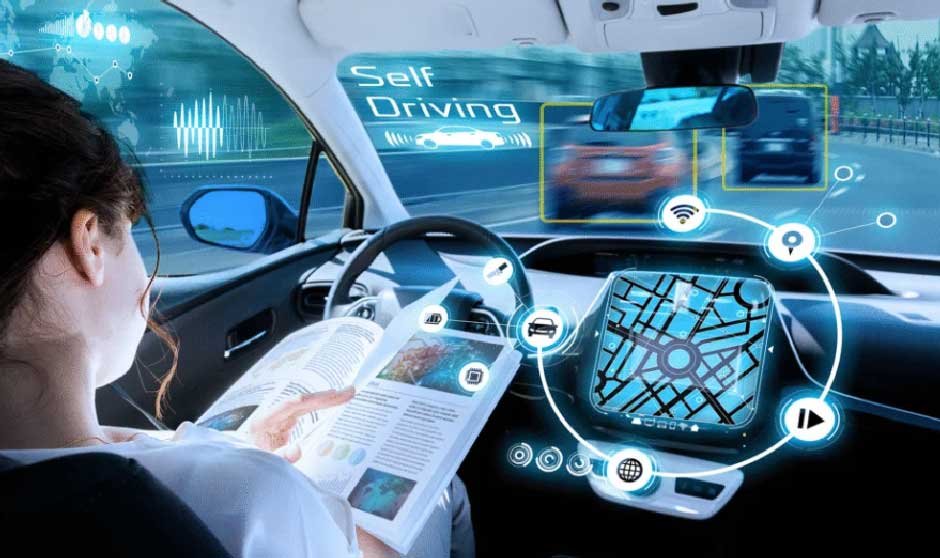
In the past few decades, the automotive industry has undergone a transformation that goes far beyond sleek designs and powerful engines. Today, cars are equipped with sophisticated technologies designed to make driving safer, reduce accidents, and protect passengers in ways that were unimaginable just a few decades ago. From advanced driver assistance systems to innovative connectivity features, technology is revolutionizing the way we think about road safety.
Advanced Driver Assistance Systems
One of the most significant safety improvements in modern vehicles comes from Advanced Driver Assistance Systems (ADAS). These technologies are designed to assist drivers in navigating complex driving situations and prevent accidents before they happen. Some of the most common ADAS features include:
Automatic Emergency Braking (AEB): This system can detect potential collisions and automatically apply the brakes if the driver does not react in time, reducing the risk of serious accidents.
Lane Departure Warning (LDW) and Lane Keeping Assist (LKA): These features alert drivers when they unintentionally drift out of their lane and can even steer the car back into the lane.
Blind Spot Monitoring (BSM): Sensors detect vehicles in the driver’s blind spots and provide visual or auditory alerts, making lane changes much safer.
Together, these systems act as a co-pilot, providing real-time assistance and helping drivers react faster to potential hazards.
The Role of Sensors and Cameras
Modern cars are equipped with a network of sensors and cameras that provide a 360-degree view of the vehicle’s surroundings. These devices are crucial for both ADAS features and the growing use of semi-autonomous technology. High-resolution cameras can detect pedestrians, cyclists, and other vehicles, while ultrasonic and radar sensors measure distances and relative speeds. This sensor data allows cars to react to their environment with precision, significantly reducing the likelihood of accidents caused by human error.
Vehicle-to-Everything Communication
Vehicle-to-Everything (V2X) communication is a cutting-edge technology that enables cars to communicate with each other and with infrastructure such as traffic lights and road sensors. By sharing information about speed, position, and road conditions, V2X technology can prevent collisions, improve traffic flow, and even help emergency vehicles reach their destinations more quickly. For example, if one car detects a sudden hazard, it can send an alert to nearby vehicles, giving drivers extra time to react.
Smart Airbags and Crash Protection
Even in unavoidable collisions, modern vehicles are equipped with technologies that protect passengers more effectively than ever. Smart airbags adjust their deployment based on the size, weight, and position of passengers, ensuring optimal protection. Likewise, crumple
zones are now designed with advanced materials that absorb impact forces more efficiently, reducing the risk of injury. Together, these innovations make a significant difference in minimizing the severity of injuries in the event of a crash.
AI and Machine Learning in Safety
Artificial Intelligence (AI) and machine learning are playing an increasingly important role in automotive safety. By analyzing vast amounts of driving data, AI systems can predict risky behavior, recognize patterns that lead to accidents, and offer proactive safety interventions. For instance, some modern vehicles can detect signs of driver fatigue or distraction and provide alerts or even take corrective action. Over time, these AI-driven systems will only become more precise and effective, pushing vehicle safety to unprecedented levels.
The Integration of Connectivity
Connectivity is another area where technology enhances safety. Modern cars often include features such as emergency calling systems, GPS tracking, and real-time traffic updates. In the event of an accident, emergency systems can automatically alert first responders and provide precise location data, reducing response times. Connectivity also allows for over-the-air software updates, which can improve safety features and fix potential issues without the need for a dealership visit.
For drivers interested in exploring vehicles equipped with these advanced safety technologies, trusted dealerships such as midwestkia.com provide detailed information on models of cars for sale Wichita KS, that integrate the latest automotive innovations. These dealerships not only offer a range of vehicles but also guide buyers on choosing cars that match their safety priorities and lifestyle needs.
Looking Toward the Future
The evolution of automotive safety technology shows no signs of slowing down. From semi-autonomous driving systems to fully connected smart vehicles, the goal is clear: reduce accidents, save lives, and make driving as safe as possible. While human skill and awareness will always be essential on the road, technology is becoming a reliable partner in preventing accidents and enhancing passenger protection.