
You have probably worn an outfit that looked great when you got dressed, then somehow felt slightly off later without knowing exactly why. Usually, it is not the clothes themselves. More often, it comes down to the smaller details. Style tends to get linked to trends and major wardrobe pieces, but first impressions are often shaped by things people barely notice at first. The little choices matter more than they seem.
The Details People Notice Without Realizing It
Style rarely succeeds because of one dramatic piece. More often, it comes together through a collection of smaller decisions that quietly support each other. A well-fitted jacket, polished shoes, neatly pressed fabric, or a coordinated color choice may not attract direct attention, but they help create a sense of balance.
The interesting thing is that people often respond to these details without consciously identifying them. Someone may describe a person as looking professional, organized, or stylish without being able to point to a specific reason. In many cases, the explanation is found in the small elements working together behind the scenes.
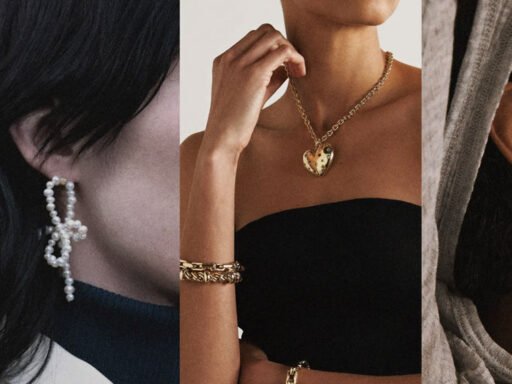
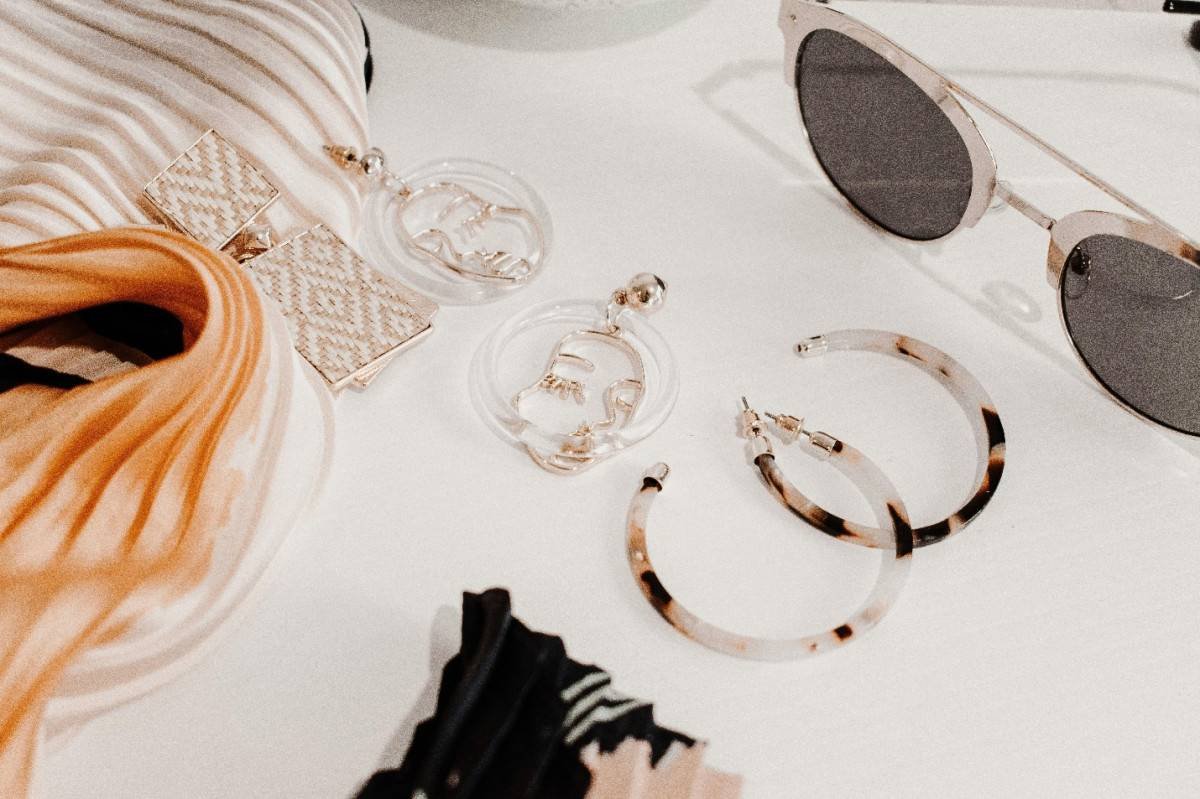
That is one reason fashion is rarely just about clothing. The role of accessories becomes important because they help connect an outfit rather than compete with it. A tie, scarf, pocket square, or other finishing piece may seem minor on its own, but these details often influence whether a look feels complete or slightly unfinished.
Fit Often Matters More Than Price
People compare labels, fabrics, and trends, but fit usually does the heavy lifting. A simple shirt that sits well can look far better than an expensive one that pulls, hangs oddly, or feels a size away from right. The same goes for trousers, sleeves, and jackets. When they fall where they should, the whole outfit looks cleaner. It is not exciting stuff, so it gets skipped. Still, clothes do not need to fit perfectly. They just need to look like they were chosen on purpose.
Condition Speaks Before Style Does
People often focus on what they wear and forget to look at its condition. Yet a wrinkled shirt, worn shoes, loose threads, or faded fabric is usually noticed faster than expected. Well-kept clothing quietly suggests care, even when the outfit itself is simple. This matters even more for items worn often, such as ties, scarves, and jackets that naturally pick up wear over time. Good maintenance does not have to be complicated. Sometimes, the difference between looking polished and looking tired comes down to proper cleaning, storage, and paying attention to the pieces already sitting in the closet.
Color Coordination Is Often Simpler Than People Think
Many people worry about matching colors correctly, which can lead to unnecessary complications. In practice, successful color coordination is usually less about strict rules and more about balance. Neutral tones continue to work well because they allow other elements to stand out naturally. Small accents can then introduce personality without overwhelming the outfit. A patterned tie, textured scarf, or carefully chosen detail may provide enough contrast to create visual interest.
The goal is not to make every piece match perfectly. Perfect matching can sometimes look overly planned. A little variation often feels more natural and easier to wear. That said, color choices still matter. Clashing tones tend to draw attention for reasons most people would rather avoid.
Grooming and Presentation Complete the Picture
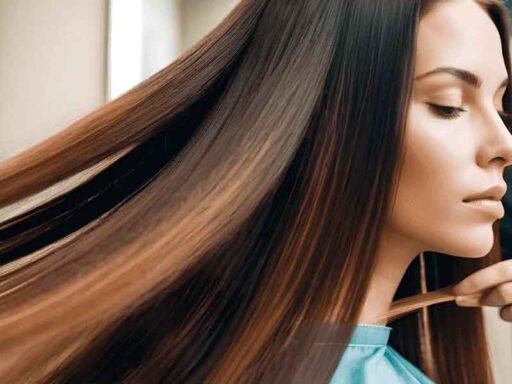
Clothes get most of the attention, but they are not doing all the work. Hair, grooming, posture, and basic neatness can change how an outfit lands. Simple clothes can look sharp when the rest is handled well, while expensive pieces can fall flat if the person wearing them looks rushed or careless. This is not about looking perfect. It is more about keeping the whole picture together. When one detail is ignored, the rest of the outfit can feel a little weaker too.
Small Habits Create Consistency
One reason some people seem consistently well-dressed is not necessarily because they own better wardrobes. More often, they have developed habits that support their appearance without requiring much daily effort. They hang clothing properly. They address minor repairs before they become major problems. They clean garments when needed instead of waiting until damage appears. They pay attention to details before leaving the house.
These habits sound ordinary because they are ordinary. Yet consistency often grows from ordinary actions repeated over time. Fashion can sometimes be presented as something complicated, but much of it comes down to maintenance, awareness, and a willingness to notice details that others overlook.
Why the Small Things Stay Memorable
People usually notice the jacket, dress, or suit first, but what tends to stick is something smaller. It might be a neatly tied scarf, polished shoes, or simply the feeling that everything worked together. Those details signal care without announcing themselves. They suggest that the outfit was considered as a whole rather than built around one attention-grabbing piece.
Good style is rarely the result of a single item. More often, it comes from small choices that seem unimportant on their own but quietly strengthen the entire look. That is often what people remember long after the outfit itself fades from memory.