
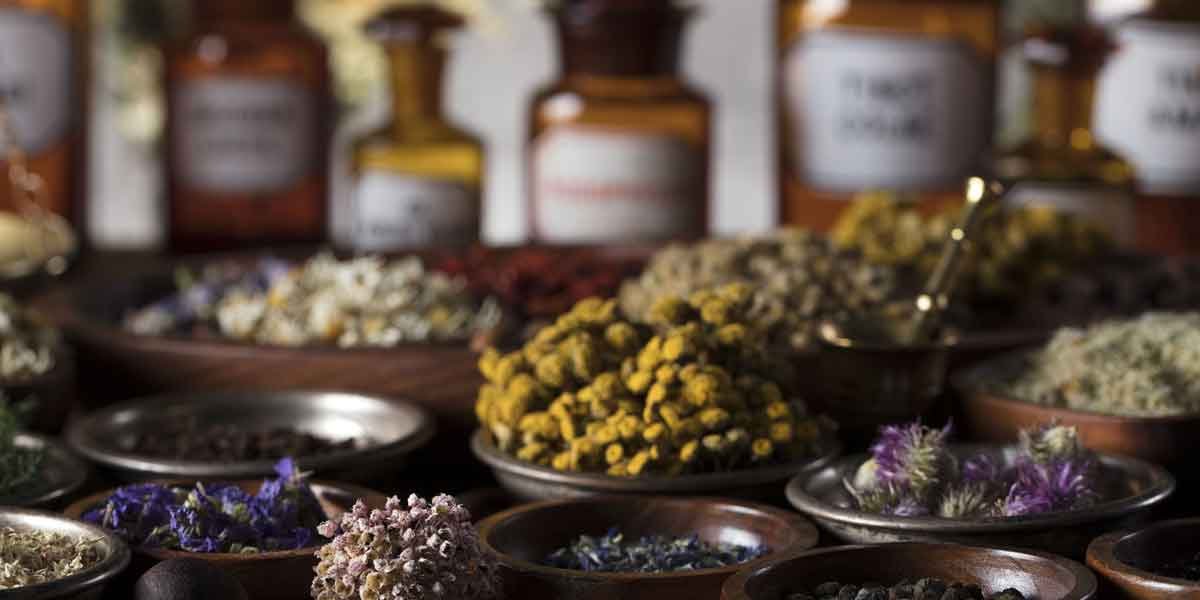
Apothecary products offer a practical way to replace synthetic, store-bought alternatives with more natural options. Essential oils, dried herbs, and botanicals give you the flexibility to build products tailored to your unique needs. Here’s more information on how to use apothecary products in everyday life:
Adding Essential Oils
Essential oils appear in many personal and household products. You can add diluted oils to selected formulations, and different botanical sources produce distinct aromas. Some people use diffuser blends throughout the day, while others incorporate oils into bath and body products. When paired with suitable carrier ingredients, these oils fit into a range of everyday applications.
Fragrance preferences for essential oils vary depending on the setting and activity. A diffuser may fill a workspace with one aroma, while a candle scented with essential oils brings a fresh scent to a living room. Because essential oils come from a wide range of plant materials, combinations vary across product categories. That variety makes it easier to build a fragrance approach that fits both your space and the intended purpose.
Building a Skincare Routine
Many skincare and hair care products begin with an unscented base, including lotions, creams, shampoos, and conditioners. Carrier oils provide functional benefits depending on the formulation, while natural colorants add visual variation. Add clays to adjust the texture of soap; a small addition of fragrance oil also personalizes the product without changing the base formula. Because skin and hair care products include both leave-on and rinse-off applications, ingredient choices should be appropriate for how long the product remains on the skin or hair and how it is used.
Making Everyday Soap Products
Apothecary products are beneficial for making everyday soap products. Melt-and-pour soap offers an entry point for people interested in handmade products. The base arrives ready for customization, and you can add selected ingredients before pouring it into molds. This process uses fewer steps than traditional methods from scratch, making it easier for beginners. Cold process soap takes more time and handling, and the finished bar includes glycerin formed during the soap-making process.
Customize your bars to reflect personal preferences for scent, appearance, and texture. Fragrance oils are available in many scent profiles and can be selected based on preference. Adding the oil at the right temperature helps it blend evenly into the base and carry through the finished bar.
Natural additives extend soap customization beyond scent. Dried botanicals add texture and visual detail, and seeds provide mild exfoliation. These are added after melting, giving control over the look and feel of the final product. Soap color blocks and mica colors allow you to adjust the appearance of the formulation.
Use High-Quality Apothecary Products
Apothecary supplies cover a wide range of categories, and understanding what each one does helps you build a more intentional daily routine. Ingredient quality makes a noticeable difference in how finished products look, feel, and perform. As your formulations evolve, having access to a wide range of products lets you experiment across categories without switching suppliers. Compare different apothecary products from a reputable supplier and choose those that match your usage needs.