
Introduction: The Quiet Revolution in Pet Wellness
For generations, grooming a pet was viewed as a stressful but necessary chore. The standard imagery associated with pet maintenance often involves a frantic bathroom scene: a shivering dog, a visibly stressed cat, and a human struggling against a backdrop of deafening mechanical noise. High-velocity blasters, buzzing clippers, and roaring vacuum systems have long been the industry standard for keeping our companion animals clean and healthy.
However, a major cultural shift is occurring within the global pet care community. Modern pet parents are no longer willing to view physical maintenance as a psychological trade-off for their animals. Instead, a new movement known as “Silent Grooming” is rapidly becoming the gold standard in smart pet care. This wellness-focused approach prioritizes acoustic comfort, recognizing that sensory peace is just as critical to an animal’s health as physical cleanliness. By integrating low-decibel engineering with behavioral psychology, silent grooming turns a historically traumatic event into a soothing, spa-like ritual.
How Noise Affects Dogs and Cats
To truly appreciate the necessity of the silent grooming movement, one must understand how companion animals perceive the world. Both dogs and cats possess sensory capabilities that far exceed human limitations, making standard household appliances a massive assault on their nervous systems.
Anxiety Triggers
Canine and feline hearing is highly specialized. While humans hear frequencies up to about 20,000 Hz, dogs can detect sounds up to 45,000 Hz, and cats can reach an astonishing 64,000 Hz. More importantly, their ears are incredibly sensitive to volume and high-frequency vibrations. The sudden, intense roar of a traditional high-velocity dryer doesn’t just sound loud to a pet; it activates their evolutionary survival instincts, mimicking the sound of an approaching predator or a violent natural disaster, which triggers an immediate flood of cortisol and adrenaline.
Stress Behaviors During Drying and Clipping
When subjected to high-decibel grooming tools, pets display a wide spectrum of stress behaviors. Mild symptoms include trembling, excessive lip licking, and whale eyes (where the whites of the eyes are visible). In more severe cases, animals may experience panic-induced aggression, frantic escape attempts, or acute hiding behaviors that make safe grooming impossible. For cats, the stress can be so profound that it induces panting—a clear sign of severe respiratory distress—while dogs may suffer from elevated heart rates that persist for hours after the grooming session has ended.
Why “Silent Grooming” Equipment Is Trending
Driven by the demands of conscientious owners, the pet technology sector has experienced an engineering overhaul. Manufacturers are abandoning brute-force mechanics in favor of smart, acoustically optimized systems designed to minimize decibel output while maximizing efficiency.
Temperature-Controlled Dryers
Traditional dryers rely on loud, high-RPM motors to blast water off a pet’s coat, often generating erratic heat spikes that risk burning sensitive skin. Next-generation silent appliances utilize advanced micro-acoustic isolation chambers that absorb motor whine, dropping noise levels below 60 decibels (the volume of a normal human conversation). Simultaneously, these smart devices incorporate real-time thermal sensors, maintaining a steady, safe temperature that relaxes the animal rather than startling them.
Low-Noise Suction Systems
Managing shedding hair is a primary goal of grooming, but standard vacuums are notorious anxiety triggers. The latest innovations feature low-noise suction systems integrated directly into grooming brushes. These グルーミング用品 capture loose undercoat fur at the exact moment of brushing, utilizing specialized internal baffles that damp air turbulence, transforming a loud suction roar into a gentle, unnoticeable whisper.
Smart Airflow Control
Instead of a chaotic, turbulent blast of air, modern drying equipment leverages fluid dynamics to create smart airflow control. By smoothing the path of air through the nozzle, these devices achieve a high-velocity output using a fraction of the kinetic force, drastically reducing the high-pitched whistling sounds that specifically target a pet’s ultra-sensitive higher-frequency hearing.
Building a Calm At-Home Grooming Routine
Upgrading your equipment is only half the battle. To truly unlock the benefits of silent grooming, pet owners must cultivate a thoughtful, progressive routine that respects their animal’s emotional boundaries.
Introducing Dryers Slowly
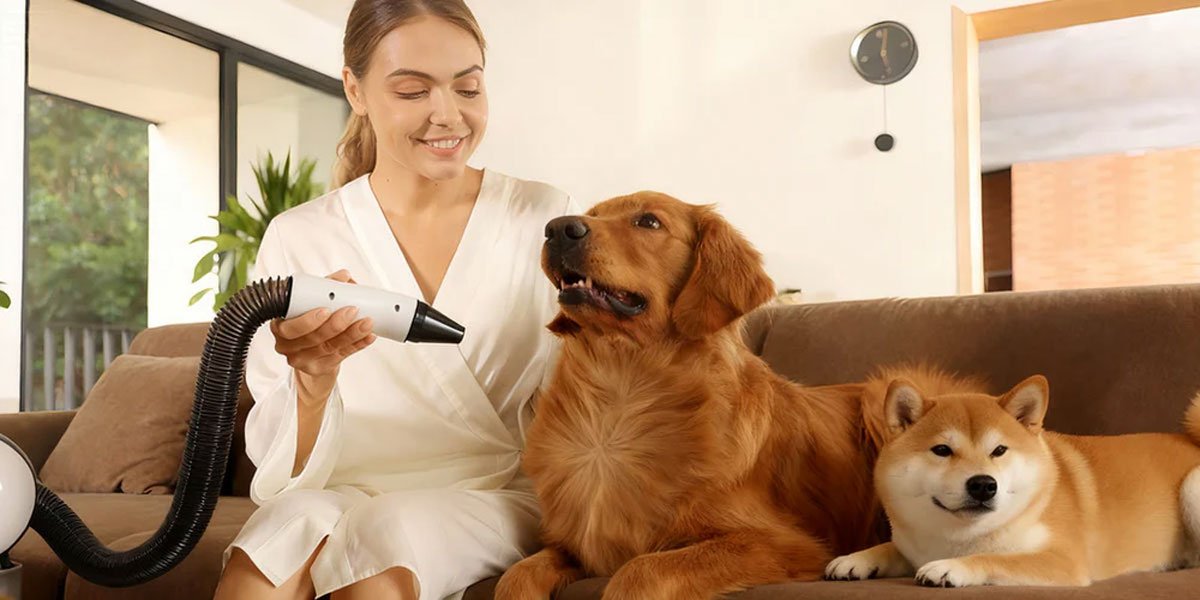
Desensitization is key to a successful routine. Never turn on a new piece of equipment directly next to an untrained pet. Start by placing the turned-off device in the pet’s living space, allowing them to sniff and investigate it on their own terms. Over several days, activate a low-noise ペット用ドライヤー on its lowest, quietest setting at a significant distance from the animal, gradually bringing it closer only when the pet shows zero signs of tension.
Using Treats and Shorter Sessions
Positive reinforcement creates lasting mental associations. Pair every interaction with the grooming gear with high-value treats, such as lickable purees or freeze-dried meats. Keep the initial sessions incredibly brief—sometimes lasting just two to three minutes. It is far better to end a session early on a positive, calm note than to push an animal until they become overstimulated and fearful.
Choosing Quieter Equipment
When curating your home maintenance toolkit, prioritize specifications that explicitly list decibel ratings and vibration-dampening technology. Operating a whisper-quiet ペット用クリッパー allows you to trim mats and overgrown coats without triggering the intense startle reflex caused by heavy, vibrating industrial blades. To keep your tools organized and prevent the loud clattering of metal accessories, it is wise to store your kit in a padded, multi-compartment pet grooming organizer bag. Keeping your equipment securely organized ensures that the preparation phase remains just as calm and quiet as the grooming process itself.
The Future of Wellness-Focused Pet Grooming
The silent grooming movement is not a passing fad; it represents a permanent evolution in how we coexist with and care for our domesticated companions.
Spa-Style Home Grooming
The line between professional styling salons and home care is blurring. Pet parents are increasingly transforming their standard bathrooms into holistic wellness spaces. By pairing low-noise appliances with calming pheromone diffusers and dimmable lighting, owners can recreate a high-end spa environment. Additionally, placing a thick, cushioned anti-slip pet grooming mat on the grooming table or countertop provides essential joint support and a secure grip, ensuring the animal feels stable and completely relaxed throughout the session.
Smart Grooming Technology
The next frontier of pet care integrates artificial intelligence with biometric monitoring. Future silent grooming devices will be capable of reading a dog or cat’s heart rate and skin temperature via touch sensors built into the brush handles. If the system detects a spike in stress metrics, it will automatically lower the airflow volume, adjust the acoustic pitch, or release a soothing mist, ensuring that the grooming process dynamically adapts to the animal’s psychological comfort in real time.
Final Thoughts: Peace of Mind for Pets and Owners
Smart pet care is no longer measured solely by how clean a coat looks, but by how peaceful the animal felt while achieving it. The rise of the silent grooming movement proves that true health encompasses both physical hygiene and emotional well-being.
By rejecting outdated, high-decibel methods and embracing acoustically engineered tools and patient, positive training techniques, we remove the friction from animal maintenance. When we silence the roar of the machinery, we open up a deeper channel of trust, turning a stressful obligation into a quiet moment of connection that strengthens the bond between human and pet.