
Skin rejuvenation is a group of treatments that aim to improve the look and texture of the skin by targeting visible signs of aging and damage. These methods target concerns such as uneven tone, fine lines, acne scars, and loss of firmness. Some treatments create controlled injury in the skin, while others use heat or biologic materials to support repair. Here are some different treatments for skin rejuvenation:
Microneedling Procedures
Microneedling uses a device with very small needles to create tiny openings in the skin. This triggers a repair response, and as the skin heals, it produces more collagen and elastin. These are proteins that support skin firmness and smooth texture.
Treatment depth varies based on the issue being addressed. A provider may use a lighter setting for mild texture changes or a deeper setting for acne scars. Numbing cream is often applied first, and the session typically takes less than an hour. Skin rejuvenation results differ based on skin type and the number of sessions. For many people, microneedling is part of a series rather than a one-time visit.
Exosome Treatments
Exosomes are tiny particles released by cells, and they carry signaling molecules such as proteins, lipids, and genetic fragments. In aesthetic settings, they are often applied after procedures like microneedling or laser treatments. Unlike fillers or neuromodulators, exosomes do not add volume or relax muscles. They are used as topical or post-procedure products, not as standard facial injectables.
Exosomes’ potential to enhance skin rejuvenation makes them a complementary boost to other therapies. By delivering growth factors and other bioactive molecules, they can:
- Promote Skin Repair: Exosomes support the skin’s natural healing processes, especially after procedures that cause micro-injuries.
- Reduce Inflammation: The anti-inflammatory properties of exosomes may help calm skin irritation and redness.
- Encourage Collagen Production: By stimulating fibroblasts, exosome treatments enhance collagen and elastin production, leading to firmer, more youthful-looking skin.
- Improve Skin Texture and Tone: Regular use may result in smoother, more even skin by addressing signs of aging and environmental damage.
Radiofrequency Options
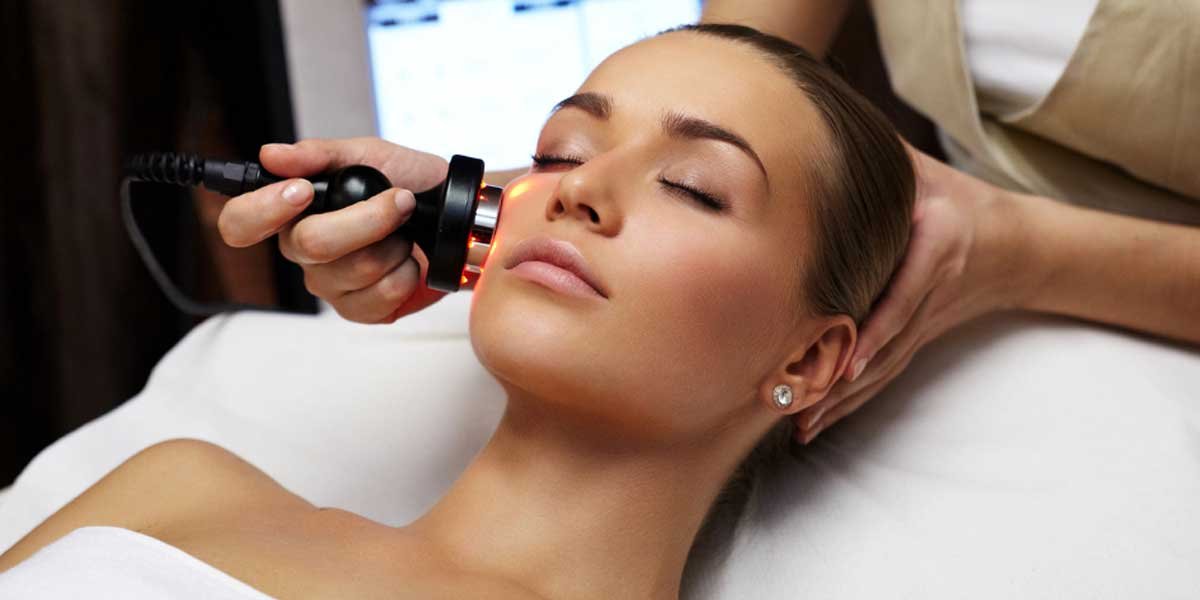
Radiofrequency treatments use controlled heat to target deeper layers of the skin. The heat stimulates tissue remodeling, which may improve laxity and texture over time. Some devices treat the surface and deeper tissue at the same time. Others combine radiofrequency with microneedles, and this delivers heat beneath the skin’s outer layer. This makes them useful for people with concerns that involve both texture and mild skin laxity. Settings differ by device, treatment area, and skin type. A provider will review prep steps and aftercare so patients understand what to expect at each stage of the procedure.
Learn More About Skin Rejuvenation
Skin rejuvenation includes several treatment categories, and each works differently. Microneedling uses controlled micro-injury, exosome treatments support recovery after procedures, and radiofrequency uses heat to remodel tissue. A good starting point depends on your skin concerns and your treatment history. A consultation with a qualified provider can help you determine a suitable option. Contact a skin rejuvenation clinic today to schedule an appointment.