

If you walk through the bustling streets of Tokyo, Osaka, or Kyoto during the summer months, you will witness a fascinating cultural phenomenon. As the midday sun beats down on the asphalt, thousands of women simultaneously reach into their bags and open sleek, dark-lined umbrellas. These are not rain umbrellas; they are specialized UV parasols, known locally as higasa. In Japan, shielding oneself from the sun is not merely a matter of staying cool on a hot afternoon. It is viewed as an essential, non-negotiable act of cellular preservation.
While the Western world has traditionally associated summer with sunbathing and bronzed skin, Japanese beauty standards have long prioritized a radiant, even, and blemish-free complexion. Today, this practice has evolved far beyond the historical desire for fair skin. Modern Japanese skincare philosophy is deeply rooted in dermatological science, which identifies solar radiation as the absolute primary cause of premature skin degradation. For women across Japan, the UVカット日傘 has transitioned from a traditional accessory into the absolute first line of defense in a sophisticated, multi-layered anti-aging regimen.
The Hidden Link Between UV Exposure and Premature Aging
To understand why the parasol has achieved such a legendary status in Japanese skincare routines, one must look at the destructive nature of solar radiation. Dermatologists widely agree that up to eighty percent of visible facial aging is not caused by the natural passage of time, but rather by chronic exposure to ultraviolet light. This process, known as photoaging, inflicts deep, cumulative structural damage on the skin long before a person notices their first fine line or sun spot.
UV-A vs UV-B Damage
The sun emits different wavelengths of ultraviolet light, each damaging the skin in unique ways. UV-B rays possess shorter wavelengths and are primarily responsible for the immediate, visible signs of sun exposure, such as sunburns and superficial redness. Conversely, UV-A rays possess longer wavelengths that allow them to penetrate deeply into the dermis, the skin’s structural foundation. Unlike UV-B, UV-A rays are present with relatively consistent intensity throughout the year, can effortlessly pass through glass windows, and penetrate clouds, causing silent, long-term damage even on overcast days.
Wrinkles, Pigmentation, and Collagen Loss
When UV-A rays penetrate the deeper layers of the skin, they trigger a biological chain reaction that actively degrades the skin’s structural integrity. These rays generate massive amounts of free radicals, which break down collagen and elastin—the vital proteins responsible for keeping the skin firm, bouncy, and youthful. As the collagen matrix collapses, the skin loses its elasticity, leading to deep wrinkles and sagging. Furthermore, UV exposure overstimulates the melanocytes, the cells responsible for producing skin pigment. This erratic overproduction manifests as stubborn dark spots, sun freckles, and an uneven, dull complexion that is incredibly difficult to reverse with topical skincare alone.
Why Sunscreen Alone Is No Longer Enough
For decades, international health and beauty industries have heralded topical sunscreen as the ultimate weapon against sun damage. While high-quality sunscreens featuring advanced chemical filters are undeniably vital, modern skincare experts and savvy consumers are beginning to recognize that relying entirely on a liquid cream leaves significant gaps in an anti-aging defense system.
Limitations of Sunscreen
Topical sunscreen is highly vulnerable to human error and environmental factors. Most people do not apply nearly enough product to achieve the actual level of protection stated on the bottle. Furthermore, the active ingredients in sunscreen begin to degrade the moment they are exposed to sunlight, and the protective film can be easily disrupted by facial oils, sweat, friction from clothing, and environmental humidity. In the heavy, sweltering heat of a typical Asian summer, sunscreen can melt off the face within an hour of stepping outside, leaving the delicate facial skin completely vulnerable to UV penetration.
Reapplication Challenges During Commuting
Dermatologists universally recommend reapplying sunscreen every two hours to maintain its efficacy. However, for a professional woman commuting to work, this recommendation is incredibly impractical. Reapplying a thick, liquid sunscreen over a full face of meticulously applied cosmetics can ruin makeup, clog pores, and cause midday breakouts. Because of these real-world challenges, many commuters step out into the intense afternoon sun with severely degraded sun protection. The UV parasol elegantly solves this dilemma by providing an instant, unyielding shield that requires zero reapplication and never interferes with makeup.
How UV Parasols Create a Physical Barrier Against Skin Aging
The true genius of the modern UV parasol lies in its ability to intercept solar radiation before it ever makes contact with the body. By placing a physical blocker between the sun and the skin, a parasol fundamentally changes the microenvironment surrounding the face, offering defensive capabilities that a topical cream simply cannot replicate.
Blocking Direct Sunlight
High-quality Japanese parasols are engineered using advanced textiles treated with specialized carbon or polyurethane coatings, typically applied to the interior lining of the canopy. This technology allows the parasol to block one hundred percent of direct UV-A and UV-B rays, as well as high-energy visible light. By walking beneath this portable canopy, a individual creates a personal patch of absolute shade. This physical barrier stops solar radiation from striking the face, neck, and upper chest, preventing the cellular mutations and inflammatory responses that trigger the aging process.
Reducing Heat Stress on Facial Skin
Beyond blocking ultraviolet rays, a premium parasol acts as a thermal shield that deflects infrared radiation, which carries solar heat. When direct sunlight hits the face, it raises the skin’s temperature, triggering a state of heat stress. Prolonged heat exposure causes blood vessels to dilate, exacerbating conditions like rosacea, increasing inflammation, and accelerating the degradation of dermal collagen. By deflecting this thermal energy, a UV parasol can reduce the ambient temperature beneath the canopy by several degrees. This cooling effect keeps the facial skin calm, reduces excessive sweating, and prevents heat-induced inflammation, providing a secondary, powerful anti-aging benefit.
Choosing the Right Lightweight Folding Parasol for Daily Use
The widespread adoption of parasols in Japan is largely due to innovations in manufacturing that have transformed these items from cumbersome traditional umbrellas into ultra-convenient, high-tech accessories. For a tool to be effective in an anti-aging routine, it must be practical enough to accompany a person everywhere, everyday.
Lightweight Parasols
Older generations of sun umbrellas were often heavy and exhausting to hold during long walks. Today, modern parasols utilize cutting-edge materials such as carbon fiber for the ribs and ultra-fine, high-density polyester for the canopy. These advancements allow manufacturers to produce incredibly 丈夫な傘 that weigh less than an average smartphone. This dramatic reduction in weight ensures that holding the parasol aloft during a lengthy morning commute or an afternoon stroll feels entirely effortless, preventing arm fatigue and encouraging daily compliance.
Compact Folding Parasols
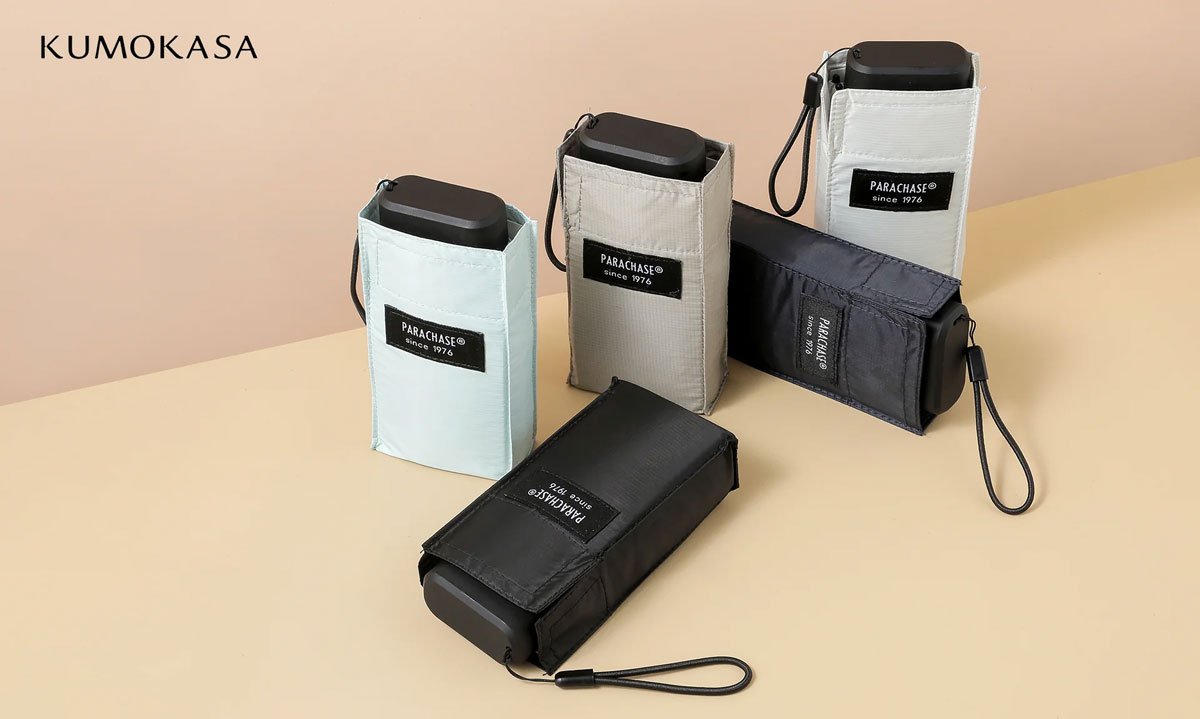
Portability is a critical factor for urban commuters who navigate crowded trains, buses, and offices. The most popular anti-aging parasols feature ingenious multi-folding designs, allowing them to collapse down to the size of a small water bottle. When folded, these compact devices slip easily into a handbag, backpack, or tote, ensuring they take up minimal space. This high level of portability eliminates the excuse of leaving sun protection at home, allowing women to remain fully prepared for unexpected sun exposure throughout the day.
Easy-to-Carry Options for Commuting
Modern parasols are explicitly designed to cater to the fast-paced lifestyle of the urban commuter. Many models come equipped with stylish, moisture-wicking storage pouches that feature convenient wrist straps or clips, allowing them to be attached to the outside of a purse for immediate access. Some variations even feature flat, rectangular profiles when collapsed, allowing them to slide neatly into slim laptop bags or pockets. By removing every logistical friction point associated with carrying a parasol, these innovative designs have made daily sun shielding an seamless, natural habit for millions of busy women.
Building a Complete Anti-Aging Summer Routine
Achieving optimal protection against the ravages of summer sun requires a holistic philosophy that combines the best of topical skincare with physical defense mechanisms. Japanese women do not view the UV parasol as a replacement for sunscreen, but rather as the vital crowning layer of a comprehensive anti-aging strategy.
The ultimate summer routine begins indoors with the application of a broad-spectrum, high-SPF sunscreen onto clean, hydrated skin, ensuring a chemical or mineral baseline defense is established. Once outside, the UV parasol is opened immediately, serving as the primary shield to deflect the vast majority of direct solar radiation and environmental heat. To protect against the ultraviolet rays that reflect upward from concrete sidewalks, asphalt, and glass buildings, women frequently wear UV-blocking sunglasses and wide-brimmed hats. By layering these defensive strategies, modern consumers can confidently step outside into the peak of summer, knowing their skin is completely insulated from the invisible forces that cause premature aging.